You open the bag, expecting the familiar comfort of your morning ritual, and instead get a flat, papery cup that tastes like wet cardboard. You grind the beans, pour the water, and wait for the aroma that usually signals the start of your day. Nothing happens. The smell is faint, almost apologetic. You take a sip, and the disappointment is immediate. This is the universal experience of home-brewing decaf: it tastes wrong, and you have no idea why, so you keep grinding finer, pouring hotter, or switching brands, hoping one of those variables will magically restore the flavor you remember from the regular version. It never does, because you are trying to extract a bean that has been chemically altered, using a protocol designed for a bean that still contains the caffeine that gives coffee its structural backbone.
The problem is not your technique. The problem is the bean itself, and the specific chemical reality of what happens when you remove caffeine from a green coffee seed. Decaf coffee is not a lighter roast or a milder brew. It is a fundamentally different material that requires a completely different extraction target. When you treat decaf like regular coffee, you are chasing a ghost. The flavor profile you are looking for is buried under layers of solvent residue, structural collapse, and a complete lack of the bitter compounds that normally balance sweetness. To fix it, you have to stop trying to make decaf taste like regular coffee and start extracting it on its own terms.
The Chemical Reality of Decaffeination
Before you can fix the cup, you have to understand what you are holding. Most commercial decaf coffee is processed using either the direct solvent method or the indirect solvent method (often called the Swiss Water Process or CO2 process). In both cases, the goal is to remove at least 97% of the caffeine, the alkaloid that gives coffee its characteristic bitterness and structural weight. But caffeine is not just a stimulant; it is a structural component of the green seed. It occupies space in the cellular matrix, interacts with the acids, and contributes to the overall extraction yield.
When you remove the caffeine, you leave behind a void. The cellular structure of the bean becomes more porous, more fragile, and significantly more soluble than a caffeinated bean of the same roast level. This is the first reason your decaf tastes wrong: it extracts much faster. The compounds that normally take three minutes to dissolve in a standard pour-over or espresso shot are now available in the first thirty seconds. If you use your regular grind size, you are pulling out the acidic, fruity, and sweet notes almost instantly, followed immediately by the harsh, astringent, and papery compounds that sit at the bottom of the extraction spectrum. The result is a cup that is sharp, thin, and deeply unsatisfying.
The second reason is the solvent residue. Even in high-quality Swiss Water Process decaf, trace amounts of the solvent (or the carbon dioxide used in the CO2 process) can remain trapped in the bean’s porous structure. These residues interact with the water during brewing, often creating a flat, chemical aftertaste that masks the delicate fruit notes the roaster intended. This is not a quality issue with your grinder or your kettle; it is a physical limitation of the decaffeination process itself. The bean is chemically compromised, and you have to work around that compromise.
The Grind Size Adjustment
The most common mistake home brewers make with decaf is grinding it too fine. The logic seems sound: if the bean is less soluble, grind finer to increase surface area and force more extraction. This is exactly backwards. Because decaf beans are more porous and more soluble, a fine grind creates a massive surface area that allows the water to strip out the undesirable compounds far too quickly. You get a cup that is aggressively sour in the first half and harshly bitter in the second, with no sweetness in between.
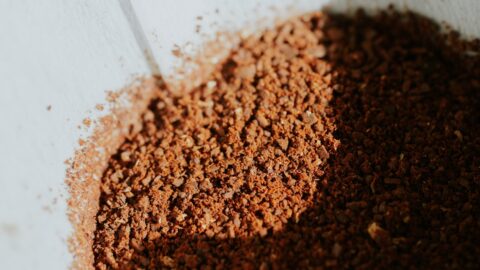
The fix is to grind coarser. Significantly coarser. If you normally grind for a pour-over at a medium-fine setting (think sea salt), try grinding for decaf at a medium-coarse setting (think kosher salt). This slows down the extraction rate, allowing the water to spend more time in contact with the bean without pulling out the harsh, astringent compounds. The goal is to extract the sweetness and the fruit notes while leaving the bitter, papery compounds behind. This requires a coarser grind, a longer brew time, and a complete abandonment of the “grind finer to fix sourness” rule that governs regular coffee brewing.
For espresso, the adjustment is even more dramatic. Decaf beans do not hold pressure well. They are more porous, more fragile, and more prone to channeling. If you use a standard dose and grind size, the water will find the path of least resistance, creating a thin, sour shot with a thick, oily crema that tastes like burnt rubber. The solution is to increase the dose slightly, grind coarser, and lower the temperature. A standard 18-gram dose of decaf espresso often needs to be pushed to 20 or 21 grams to create enough resistance for a proper extraction. The grind should be noticeably coarser than your regular espresso setting, and the water temperature should be lowered to 90°C (194°F) instead of the usual 93-96°C (200-205°F). This prevents the rapid extraction of the harsh compounds and allows the sweetness to develop.
The Water Temperature and Brew Time
Water temperature is the third lever you must pull. Hotter water extracts faster, which is exactly what you do not want with decaf. The standard 93-96°C (200-205°F) range is too aggressive for decaf beans. Lower the temperature to 85-90°C (185-194°F). This slows down the extraction rate, giving you more control over what ends up in your cup. The lower temperature also helps to minimize the extraction of the solvent residues that are trapped in the bean’s porous structure, reducing that flat, chemical aftertaste.
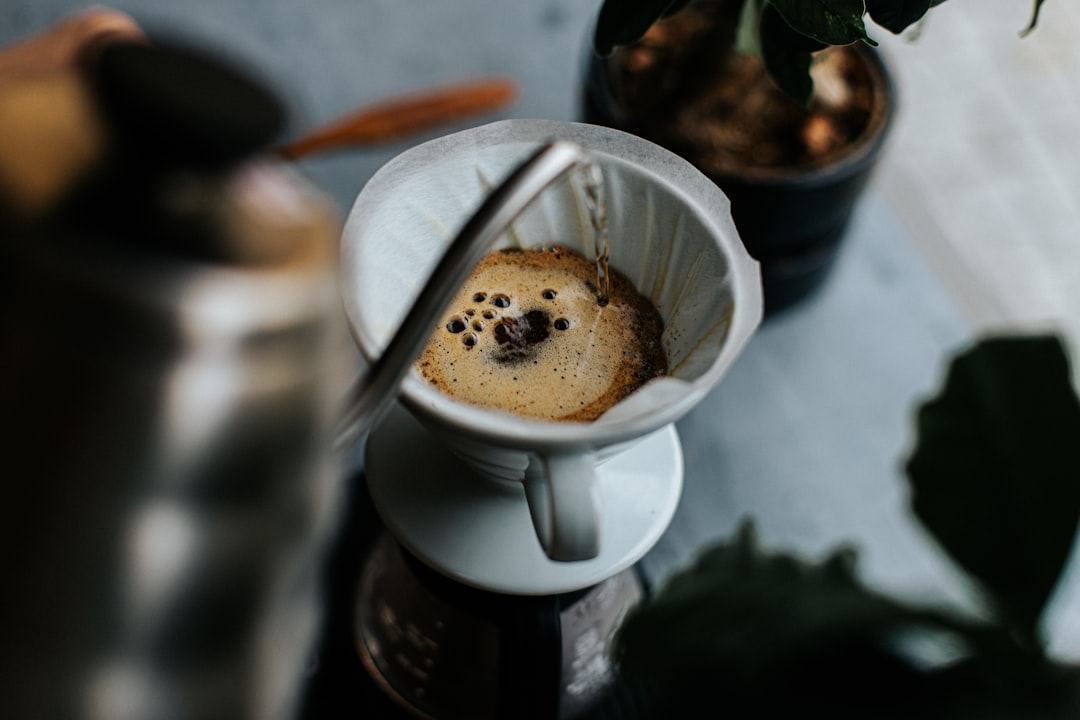
Brew time is the final adjustment. Because you are grinding coarser and using cooler water, your total brew time will be longer. A standard pour-over that takes 2:30 to 3:00 minutes might take 3:30 to 4:00 minutes with decaf. This is normal. Do not rush it. The longer contact time allows the water to slowly dissolve the sweetness and the fruit notes without pulling out the harsh, astringent compounds. If your decaf tastes sour, do not grind finer. Slow down the pour. If it tastes bitter, grind coarser. The goal is a balanced, sweet, and complex cup, not a fast one.
Choosing the Right Bean
Not all decaf beans are created equal. The processing method matters enormously. Direct solvent methods (using methylene chloride or ethyl acetate) often leave behind more residue and create a flatter, more papery cup. Indirect solvent methods (Swiss Water Process) and CO2 processing generally produce a cleaner, more complex cup that is closer to the flavor profile of regular coffee. When buying decaf, look for beans that have been processed using the Swiss Water Process or CO2 processing. These beans are more likely to retain the complex fruit and floral notes that make coffee enjoyable in the first place.
Roast level also matters. Light roasts are the hardest to brew well as decaf because the high acidity and delicate fruit notes are easily masked by the solvent residue and the lack of structural weight. Medium roasts are the sweet spot for decaf. They provide enough body and sweetness to balance the inherent flaws of the decaffeination process, while still retaining enough complexity to be interesting. Dark roasts are often used to mask the flaws of decaf, but they also mask the good stuff. If you want a good cup of decaf, buy a medium-roast, Swiss Water Processed or CO2-processed bean, and adjust your grind, temperature, and time accordingly.
Why This Matters
Decaf coffee is not a failure. It is a different product that requires a different approach. By understanding the chemical reality of decaffeination, adjusting your grind size, lowering your water temperature, and extending your brew time, you can extract a cup of decaf that is actually enjoyable. It will not taste exactly like regular coffee, and it should not try to. It will taste like a different kind of coffee, one that is sweeter, smoother, and less acidic. That is not a compromise. That is a choice. And for millions of people who want the ritual of coffee without the stimulant, it is the only choice that matters.
Sources & Further Reading
- Decaffeination of Coffee: A Review — Trends in Food Science & Technology
- The Chemistry of Decaffeination — Specialty Coffee Association
Photo by Szymon Satora on Unsplash.