Third-wave coffee culture is obsessed with variables. You measure the grind, you control the water temperature, you time the bloom, you weigh the yield. You treat the recipe as a closed system of chemistry and physics. But you are missing the single most important variable in the cup.It is the silence.
Japanese kissaten, the traditional coffee shops that defined modern home brewing for decades, operated on a different set of physics. They prioritized body, sweetness, and structural balance over the bright, tea-like acidity that dominates today’s specialty scene. They achieved this specific flavor profile not through superior equipment, but through a functional requirement that modern cafes abandoned: absolute silence. The quiet environment was not an aesthetic choice. It was the mechanism that controlled extraction, dictated the pace, and forced a level of precision that a noisy, high-traffic space simply cannot support.
When you brew at home, you are likely ignoring this variable entirely. You are brewing in a kitchen with the TV on, a dishwasher running, or your phone buzzing. You are treating the environment as background noise. The kissaten blueprint proves that the physical and social environment of a brew directly dictates the chemical outcome in the cup. To replicate the kissaten style, you must first replicate the silence.
Why Silence Controls Extraction
Most home brewers treat the brewing process as a purely mechanical act. You measure the coffee, you heat the water, you pour, you wait. The environment is assumed to be irrelevant. This is a fundamental error.
When a barista is working in a silent, focused environment, their movements are deliberate. There is no rush to serve the next customer. There is no background noise to distract from the sound of the water hitting the grounds. The barista can hear the exact moment the bloom finishes, hear the subtle shift in the sound of the pour as the water level drops, and see the precise color of the extraction as it drips through the paper. This sensory feedback loop is impossible to replicate in a noisy, high-traffic cafe.
Research into environmental psychology supports this. A one study in the Journal of Environmental Psychology found that ambient noise levels above 70 decibels significantly increase cognitive load and reduce the ability to perform fine motor tasks with precision. A typical busy cafe sits between 75 and 85 decibels. A kissaten sits at 40. That 40-decibel difference is not just about comfort. It is about the barista’s ability to execute a flawless, consistent pour. The silence forces a slower, more deliberate pace, which translates directly into a more even extraction.
The Body-First Philosophy
Third-wave coffee, as it spread from Seattle to Tokyo, often equated quality with acidity. Bright, fruity, tea-like. If a coffee didn’t taste like a berry bomb, it was deemed ‘boring.’ The kissaten masters disagreed. They preferred coffees with heavy body, low acidity, and deep sweetness. They sought out beans that could stand up to long contact times without breaking into harsh, astringent flavors.
This preference shaped the entire supply chain. Kissaten buyers would travel to origin countries and specifically request beans processed for body rather than clarity. They favored wet-hulled Indonesian coffees, which are naturally lower in acidity and higher in body, over bright Ethiopian naturals. They chose medium-dark roasts to suppress the volatile acids that create fruitiness, focusing instead on the heavier sugars and caramelized compounds that emerge during the Maillard reaction.
When you brew a kissaten-style coffee at home, you are not trying to replicate a specific bean. You are trying to replicate a specific extraction target. The goal is a cup that feels heavy on the tongue, with a lingering sweetness and zero sharp edges. This requires a different approach to brewing than the standard third-wave protocol.
The Brewing Protocol: Slow and Heavy
The kissaten brewing method is deceptively simple, but it demands patience. It typically involves a slow, continuous pour-over, often using a specific type of paper filter that allows more oils and fine particles to pass through than a standard V60 filter. The result is a cup that looks darker, feels thicker, and tastes richer than a standard pour-over.
The process begins with a coarse grind, significantly coarser than what you would use for a bright, fruity Ethiopian. The water temperature is kept lower, around 85°C, to avoid extracting the harsher compounds that high heat pulls from the bean. The pour is continuous and slow, taking three to four minutes for a single cup. This extended contact time allows the water to fully saturate the grounds and extract the heavier sugars and oils, while the low temperature prevents the extraction of bitter, astringent compounds.
The key to this method is the filter. Standard paper filters are designed to trap oils and fine particles, resulting in a clean, bright cup. Kissaten filters are often thicker and less restrictive, allowing more of the bean’s natural oils and colloids to pass into the final brew. This is why kissaten coffee tastes so different from a standard V60 brew, even when using the same bean. The filter is not just a barrier. It is a flavor modifier.
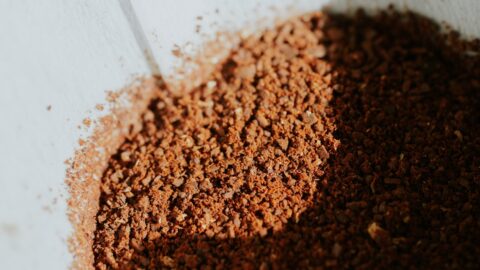
If you want to replicate this at home, start with a medium-dark roast Indonesian or Sumatran bean. Grind it coarsely, like sea salt. Heat your water to 85°C. Use a thick, unbleached paper filter, or even a cloth filter if you can find one. Pour the water slowly and steadily, ensuring the grounds stay saturated for the entire three to four minutes. Do not rush. Do not stir. Let the gravity do the work. The result will be a cup that feels heavy, sweet, and deeply satisfying, with a finish that lingers for minutes, not seconds.
The Social Contract of the Kissaten
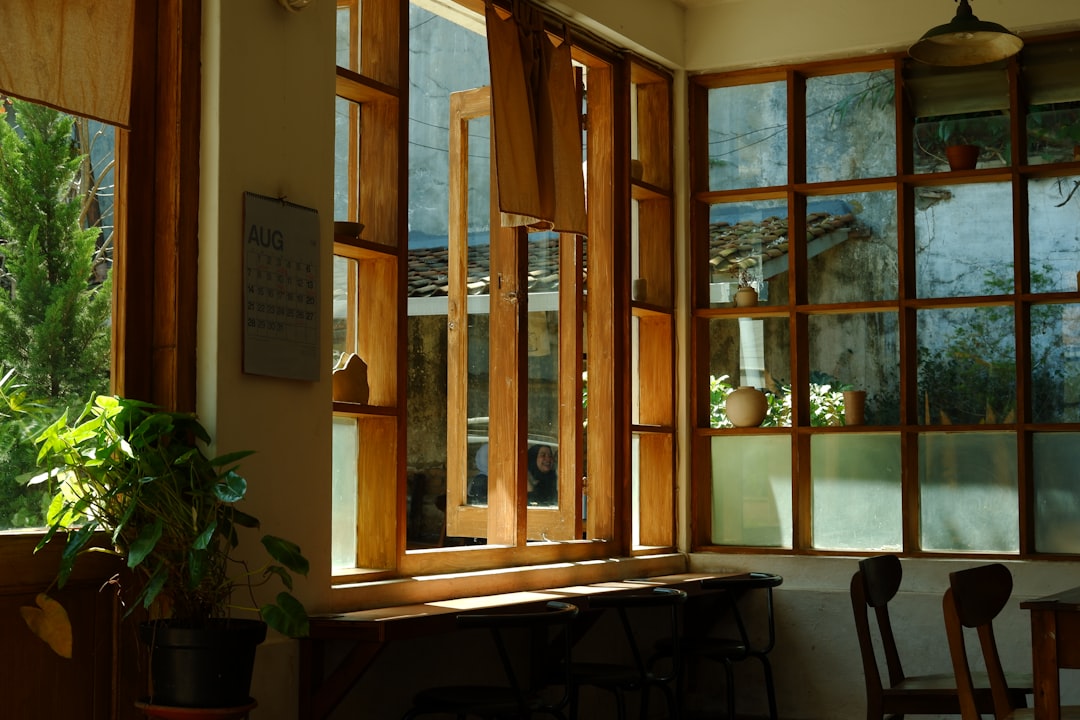
But the kissaten is more than just a brewing technique. It is a social contract. The silence is not just for the barista. It is for the customer. In a kissaten, you are not expected to talk. You are expected to sit, to drink, and to think. The space is designed to be a refuge from the noise of the outside world, a place where you can focus on the coffee and your own thoughts.
This social contract has a profound impact on the drinking experience. When you are not distracted by conversation, you can taste more. You can notice the subtle shifts in flavor as the coffee cools. You can appreciate the texture of the cup on your tongue. The silence forces you to slow down, to engage with the coffee on a deeper level. It transforms the act of drinking coffee from a daily ritual into a meditative practice.
Modern cafes have largely forgotten this. They are designed for speed, for turnover, for social media. They are loud, bright, and fast. The kissaten offers a stark contrast. It is a reminder that coffee can be more than just a caffeine delivery system. It can be a source of peace, of focus, of clarity. It can be a way to slow down in a fast world.
Why This Matters for Home Brewers
As home brewers, we often obsess over gear. We buy expensive grinders, precise kettles, and high-tech scales. We chase the perfect shot, the perfect pour, the perfect bean. But the kissaten blueprint teaches us that the most important variable is not the gear. It is the mindset. It is the willingness to slow down, to focus, and to let the coffee do its own thing.
When you brew at home, create a space for silence. Turn off the TV. Put away the phone. Sit quietly and watch the water hit the grounds. Listen to the sound of the drip. Smell the aroma as it rises. Taste the coffee as it cools. Engage with the process, not just the result. You will find that your coffee tastes better, not because you changed the beans or the gear, but because you changed the environment.
The kissaten is not a relic of the past. It is a blueprint for the future of coffee. As we continue to chase brightness and complexity, we risk losing the depth and richness that makes coffee so special. The kissaten reminds us that coffee is not just about flavor. It is about experience. It is about the space we create around the cup, the silence we allow ourselves to hear, and the focus we bring to the process. If you want to brew better coffee, start by brewing in silence.
Sources & Further Reading
- The Effect of Ambient Noise on Cognitive Performance: A Review — Journal of Environmental Psychology
- Specialty Coffee Association of America (SCAA) Brewing Standards — Specialty Coffee Association
- Indonesian Coffee: The Wet-Hulled Process (Giling Basah) — ScienceDirect (Encyclopedia of Food Chemistry)
- The Maillard Reaction in Coffee Roasting — Trends in Food Science & Technology
Photo by Dhiyah Aqila on Unsplash.