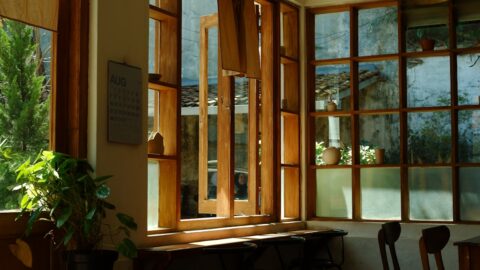
Coffee culture has never been just about the bean. It’s about the space where that bean lands. In Japan, that space took a specific shape: the kissaten. These weren’t cafés in the modern sense. They were quiet, wood-paneled rooms where the coffee was brewed by hand, the lighting was dim, and the focus was entirely on the liquid.
Today, those spaces are the visual foundation of anime cafés. They are themed environments designed to pull viewers into a specific narrative world. But if you look closely at how these spaces actually function, you’ll find that the coffee inside them isn’t just a prop. It’s an extraction science experiment disguised as entertainment. The theme dictates the equipment, the equipment dictates the grind, and the grind dictates the flavor. What looks like marketing is actually a rigid set of physical constraints that force a very specific type of coffee into a cup.
Most people assume an anime café is just a marketing gimmick. They’re wrong. It’s a controlled extraction environment. When you understand the machinery behind the theme, you understand why the coffee tastes the way it does.
The Kissaten Blueprint
To understand modern anime cafe coffee, you have to go back to the kissaten. These shops emerged in Japan during the 1920s and 1930s, heavily influenced by Western coffee houses, but they evolved into something distinctly Japanese. A traditional kissaten is defined by three things: manual brewing, slow service, and a strict adherence to a single brewing method per shop.
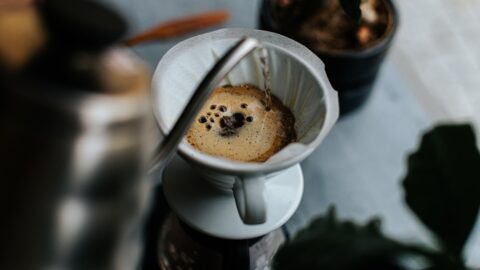
Unlike a modern specialty coffee shop that might offer pour-over, espresso, and cold brew, a traditional kissaten usually does one thing. They might use a Hario V60, or a Kalita Wave, or a siphon. They don’t switch between them. This isn’t a limitation of space. It’s a limitation of philosophy. The goal is mastery of a single extraction curve. The coffee is brewed tableside, often in full view of the customer, turning the act of brewing into a performance.
This performance aspect is exactly what anime cafés adopted. The theme isn’t just about the decor. It’s about the ritual. When a café is themed around a specific anime, the coffee must match the pacing of that show. A high-energy battle anime demands a fast, aggressive extraction. A slow, atmospheric slice-of-life series demands a longer, more deliberate one. The theme dictates the physics of the cup.
Why Anime Cafés Use Espresso
If you walk into a modern anime café, you will almost certainly be served espresso-based drinks. Milk tea, matcha, and fruit sodas are available, but the coffee is espresso. This isn’t an accident. It’s a direct inheritance from the kissaten tradition of prioritizing speed and consistency without sacrificing the illusion of craftsmanship.
Espresso is the only brewing method that allows a themed environment to move customers through a line while maintaining the aesthetic of a slow, deliberate process. A pour-over takes three minutes. An espresso shot takes twenty-five seconds. But the visual language of pulling a shot, the portafilter, the group head, the dark liquid dripping into a demitasse, feels just as ritualistic to the average customer. It looks like craft, even when it’s happening at machine speed.
However, there’s a hidden cost to this choice. Espresso is unforgiving. It requires a precise grind size, a specific dose, and a tightly controlled temperature. If the theme of the café involves bright, fruity, floral notes, common in modern anime that feature light, airy aesthetics, espresso often fails to deliver them. Instead, it concentrates those notes into something sharp, sometimes sour, and frequently bitter. This is why so many anime cafe coffee drinks taste intense, heavy, or surprisingly acidic.
The solution isn’t to change the theme. It’s to change the extraction target. High-quality anime cafés understand this. They don’t just pull shots. They dial them in to match the visual tone of the show. A café themed around a dark, moody thriller will pull a slightly darker, more balanced shot. A café themed around a bright, romantic comedy will pull a lighter, brighter shot, accepting the higher acidity as part of the flavor profile.
This is where the science of extraction meets the art of branding. The café isn’t selling coffee. It’s selling a feeling. And if the coffee tastes like the feeling, the marketing works. If it tastes like burnt rubber, the marketing fails, no matter how detailed the wall art is.
The Equipment Dictates the Flavor
Most anime cafés use commercial semi-automatic espresso machines. These are the workhorses of the industry: La Marzocco Linea Mini, Rancilio Silvia, or Gaggia Classic Pro units. They are reliable, they are fast, and they are everywhere. But they come with a specific bottleneck that directly impacts the flavor of your cup.
These machines typically use a single boiler. This means the machine can either brew coffee or steam milk, but not both simultaneously. If you order a latte, the barista must brew your espresso first, then switch the machine to steam mode, then switch it back to brew mode for your next shot. This cycle takes time. It also introduces thermal variance.
When a machine switches from brewing to steaming, the water temperature drops. When it switches back, the boiler has to reheat. This reheating cycle can cause the first few shots of the day to be under-extracted, and the last few to be over-extracted. It’s a thermodynamic limit that forces the barista to manage the machine’s heat carefully. In a busy kissaten, this is a skill. In a busy anime café, it’s a bottleneck.
The result? Inconsistent extraction. The coffee tastes different depending on when you order it, or how many drinks were made before yours. This is why some anime cafe coffee drinks taste sharp and sour in the morning, and flat and bitter in the evening. It’s not the bean’s fault. It’s the machine’s physics.
High-end anime cafés mitigate this by using dual-boiler machines or heat-exchange systems. These allow simultaneous brewing and steaming without the thermal swing. But they are expensive, and they take up more space. In a small, themed room, space is at a premium. So, most anime cafés stick to single-boiler machines and accept the inconsistency as part of the experience.
This is a trade-off. You get the aesthetic of a professional coffee shop, but you sacrifice the consistency of one. It’s a deliberate choice. The theme is the priority. The coffee is secondary, but it must be good enough to not ruin the illusion.
Why the Coffee Tastes the Way It Does
If you’ve ever ordered coffee at an anime café and found it surprisingly sour, or overly bitter, or just different from what you’d get at a specialty coffee shop, you’re not imagining it. The flavor profile is dictated by three factors: the bean choice, the grind size, and the extraction method.
Most anime cafés use a medium-dark roast. This is a safe choice. It masks the inconsistencies of a single-boiler machine and provides a consistent, familiar flavor that appeals to a broad audience. It’s not trying to highlight the nuanced floral notes of a high-altitude Ethiopian bean. It’s trying to deliver a reliable, strong, slightly sweet coffee that pairs well with milk.
But the grind size is where the real issue lies. Because espresso machines are fast, baristas often grind finer to compensate for the short contact time. This increases extraction, but it also increases the risk of bitterness. If the grind is too fine, the coffee tastes harsh. If it’s too coarse, it tastes sour. Finding the sweet spot requires constant adjustment, and in a busy café, that adjustment is often missed.
This is why the coffee at an anime café tastes the way it does. It’s not a flaw. It’s a feature of the system. It’s a chain of cause and effect that starts with the marketing and ends in your cup.
If you want to replicate this at home, you don’t need a themed room. You need to understand the constraints. Use a single-boiler machine. Accept the thermal swing. Dial in your grind to match the roast level, not the machine. And remember that the coffee isn’t just a beverage. It’s part of the story.
The Real Value of the Experience
Anime cafés are often criticized for being overpriced or underwhelming. The coffee is rarely the best you’ll ever drink. The pastries are rarely the best you’ll ever eat. But that misses the point entirely. You aren’t paying for the coffee. You’re paying for the immersion.
The coffee is the anchor. It’s the one thing in the room that feels real, that smells familiar, that tastes like something you know. It grounds the fantasy. Without it, the anime café is just a costume shop. With it, it’s a world.
This is why the extraction science matters. If the coffee tastes bad, the immersion breaks. If it tastes good, the world holds. The barista isn’t just making a drink. They’re maintaining the illusion. And that’s a skill worth respecting.
So next time you visit an anime café, don’t just look at the wall art. Look at the machine. Watch the shot pull. Taste the acidity. Understand the constraints. You’ll see the coffee differently. And you’ll appreciate the craft behind the theme.
Sources & Further Reading
- Kissaten — Wikipedia
- The Physics of Espresso — Specialty Coffee Association
Photo by Galih Jelih on Unsplash.