The First Sip in 1948
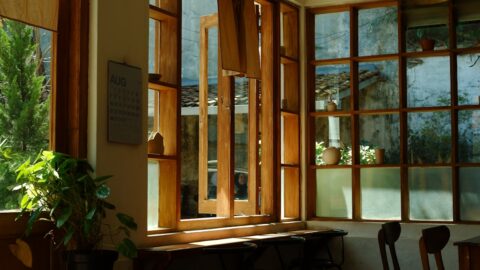
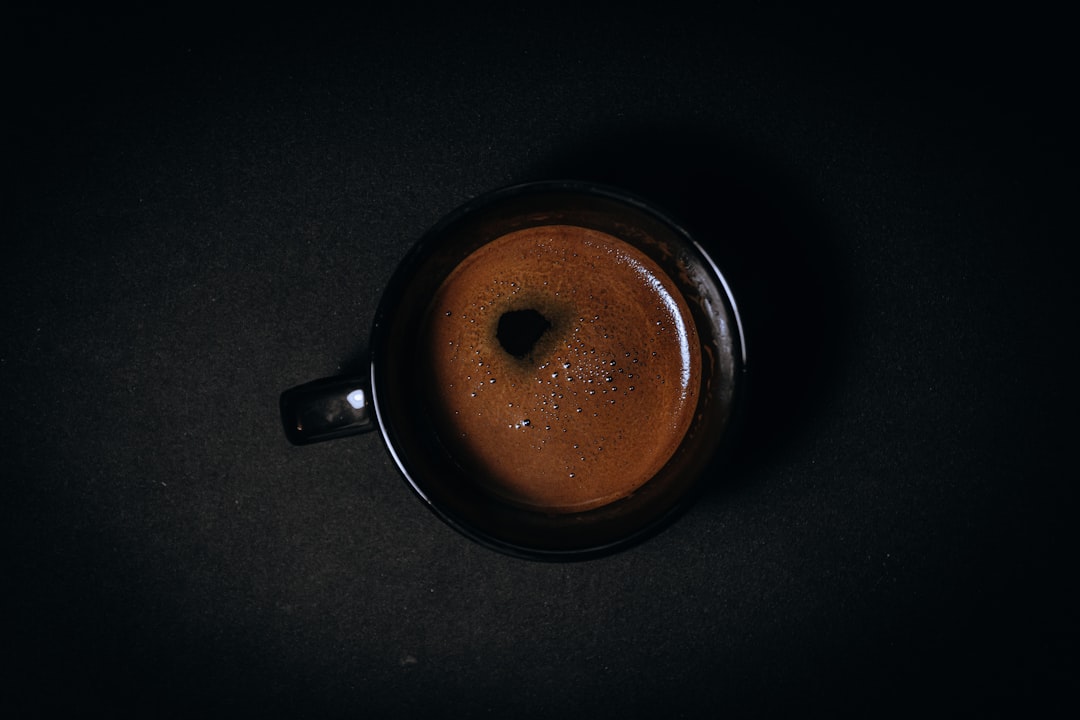
The bell above the door jingles, a sharp brass sound cutting through the quiet hum of the refrigerator. Inside, the air is thick with the scent of roasted beans and damp paper. A man in a white shirt and black trousers stands behind a polished mahogany counter, his hands moving with a rhythm that has not changed since the post-war years. He places a ceramic cup on the counter, careful not to let the saucer clink against the wood. The coffee inside is dark, almost black, with a syrupy body that coats the tongue. It tastes of chocolate, of roasted grain, of something that lingers long after the cup is empty. The customer sits at a small table, pulls out a book, and reads in silence. No music plays. No phones are checked. The coffee is not a fuel to be consumed quickly; it is a slow, deliberate act of preservation.
This is the kissaten, the Japanese coffee house. It is not the café culture of Paris, where conversation flows as freely as the wine. It is not the third-wave coffee shop of Seattle, where the origin of the bean is shouted from the rafters and the pour-over is a performance art piece. The kissaten is a place of stillness, of precision, and of a specific extraction philosophy that prioritizes body and sweetness over brightness and acidity. It is a blueprint that modern home brewers have only recently begun to reverse-engineer, discovering that the techniques born in Tokyo’s quiet corners hold the keys to a different kind of coffee experience.
What a Kissaten Actually Is
The word kissaten (喫茶店) translates roughly to “tea house,” but that translation obscures the reality of the institution. A kissaten is a dedicated coffee shop that emerged in Japan during the late 1940s and early 1950s, following the end of the Allied occupation. Before this period, coffee was largely a military import, associated with the West and consumed in hurried, utilitarian ways. The kissaten reimagined coffee as a domestic ritual, a space where the Japanese middle class could gather, study, and think.
Unlike Western cafés, which often prioritize turnover and social interaction, the kissaten was designed for solitude. The seating was arranged to face away from each other, or separated by high partitions. The lighting was dim. The music, if any, was classical or jazz, played quietly. The coffee itself was brewed differently. It was not filtered through paper, which strips away oils and solids. It was brewed through metal filters, often a cloth filter known as a shiboridashi or a fine-mesh metal press. This method allowed oils, fine sediments, and heavier compounds to pass into the cup, creating a texture that Western palates initially found muddy or heavy.
The cultural shift was profound. Coffee moved from being a foreign import to a Japanese staple. It became associated with intellectualism, with the salaryman seeking a quiet corner after work, with the student studying for exams. The kissaten was not a place to be seen; it was a place to be. This distinction is crucial for understanding the brewing methods that evolved within these walls. The goal was not to highlight the fruity, floral notes of a high-altitude Ethiopian bean. The goal was to create a cup that was consistent, robust, and deeply satisfying, regardless of the bean’s origin.
The Metal Filter Revolution
The defining technical feature of the kissaten is the brewing vessel. While the West moved decisively toward paper filters in the 1950s and 60s, championed by figures like Melitta Bentz, Japanese brewers clung to cloth and metal. The cloth filter, or shiboridashi, is a simple piece of cotton or linen draped over a stand. The metal filter, often a fine-mesh stainless steel press, is a rigid version of the same principle. Both allow the passage of coffee oils and fine particles that paper filters trap.
Why does this matter for the home brewer? Because paper filters and metal filters produce fundamentally different chemical profiles in the cup. Paper filters are excellent at removing lipids, specifically diterpenes like cafestol and kahweol, which contribute to the oily mouthfeel of coffee. They also trap fine sediment, resulting in a clean, bright cup. This is the standard for modern specialty coffee, where clarity and acidity are prized.
Metal and cloth filters, by contrast, allow these compounds to pass through. The result is a cup with higher viscosity, a heavier body, and a different flavor profile. The bitterness is often more pronounced, but so is the sweetness. The acidity is muted, replaced by a deep, roasted character. For home brewers who find their pour-overs too thin or too acidic, the kissaten approach offers a direct solution. It is not about buying a different bean; it is about changing the filtration method.
Consider the physics of extraction. When water passes through a metal filter, the mesh size is larger than the pores in paper. This allows larger molecules, including oils and colloids, to pass through. These molecules carry flavor compounds that paper filters reject. The result is a coffee that tastes “fuller,” even if the extraction percentage is identical. This is not a flaw; it is a feature. It is the core of the kissaten blueprint: prioritizing body and texture over clarity.
The Roast Profile: Dark, Not Light
If the filter defines the texture, the roast defines the flavor. Kissaten coffee is almost universally roasted dark. This is not a marketing choice; it is a practical one. In the post-war era, Japan imported a significant portion of its coffee from Brazil and Vietnam, beans that were often lower in quality and more prone to defects. A dark roast masks these defects. It burns off the volatile acids that cause sourness and highlights the caramelized sugars and roasted compounds that create sweetness and body.
This roast profile has persisted, even as the quality of imported beans has improved. Modern kissaten still favor dark roasts, often described as kanro-ji (sweet roast) or kanro-iro (sweet color). The beans are roasted until they reach a dark brown, almost black, color, with oils visible on the surface. This roast level is fundamentally different from the light roasts popular in third-wave coffee shops, where the goal is to highlight the bean’s origin characteristics.
For the home brewer, this presents a choice. If you are brewing a light-roasted Ethiopian Yirgacheffe, a kissaten-style brew will likely taste muddy and over-extracted. The delicate floral notes will be buried under the weight of the roast. But if you are brewing a Brazilian or Sumatran bean, a dark roast brewed with a metal filter can produce a cup of extraordinary depth and complexity. The kissaten blueprint teaches us that the roast level and the brewing method must work in tandem. You cannot separate the two.
Brewing at Home: The Kissaten Protocol
Translating the kissaten experience to a home kitchen requires specific adjustments. The goal is not to replicate the exact equipment, but to capture the essence of the method. Here is a practical protocol for the home brewer who wants to explore the kissaten blueprint.
First, choose your beans. Look for dark-roasted coffees, ideally from Brazil, Sumatra, or Indonesia. Avoid light-roasted, high-acidity beans. Second, choose your filter. If you do not have a cloth filter, a metal French press or a metal pour-over cone is an excellent substitute. The key is to allow oils and fine sediments to pass into the cup. Third, adjust your grind. Because metal filters are less restrictive than paper, you can use a slightly finer grind without risking over-extraction. This increases the surface area and allows more compounds to dissolve, contributing to the body.
Fourth, control your water temperature. Dark roasts are more soluble than light roasts, so you should use slightly cooler water, around 90°C to 92°C, to avoid extracting harsh, bitter compounds. Finally, pour slowly and deliberately. The kissaten style is not about speed; it is about precision. Take your time. Let the coffee bloom. Let the water interact with the grounds. The result will be a cup that is thick, sweet, and deeply satisfying, with a lingering finish that invites you to sit and think.
Why This Matters Now
The modern coffee landscape is dominated by the pursuit of clarity. Third-wave coffee shops obsess over extraction percentages, TDS readings, and flavor notes that range from jasmine to bergamot. This is a valid approach, but it is not the only one. The kissaten blueprint offers an alternative: a focus on body, sweetness, and texture. It is a reminder that coffee is not just a vehicle for highlighting the bean’s origin; it is a beverage in its own right, with its own history and culture.
For home brewers, this is liberating. It means you do not need to chase the latest trend or buy the most expensive gear to make great coffee. You need to understand the principles of extraction, the chemistry of filtration, and the cultural context of the bean. The kissaten blueprint is not a recipe; it is a philosophy. It teaches us that coffee is not just about what you taste, but how you feel. It is about the ritual, the stillness, and the deliberate act of brewing.
Frequently Asked Questions
What is the main difference between kissaten coffee and third-wave coffee?
Kissaten coffee prioritizes body, sweetness, and a dark roast profile, often brewed with metal or cloth filters that allow oils to pass through. Third-wave coffee prioritizes clarity, acidity, and light roasts, typically brewed with paper filters that trap oils and sediments.
Can I use a French press to make kissaten-style coffee?
Yes. A metal French press is one of the closest home equivalents to the kissaten method. It allows oils and fine sediments to pass into the cup, creating a thick, syrupy body. Use a dark-roasted bean and a slightly finer grind for best results.
Why do kissaten use dark roasts?
Dark roasts mask defects in lower-quality beans and highlight sweetness and body. In post-war Japan, where coffee imports were often lower quality, dark roasts were a practical solution. Today, they are a cultural preference that aligns with the kissaten’s focus on richness and depth.
Is kissaten coffee healthier than regular coffee?
Not necessarily. Both contain caffeine and antioxidants. However, kissaten coffee may contain higher levels of diterpenes like cafestol, which can raise cholesterol levels in some individuals. If you are monitoring your cholesterol, paper-filtered coffee may be a better choice.
How do I start brewing kissaten-style coffee at home?
Start with a dark-roasted Brazilian or Sumatran bean. Use a metal filter or a French press. Grind slightly finer than you would for paper, and use water around 90°C. Pour slowly and deliberately. The result will be a thick, sweet, and deeply satisfying cup.
Sources & Further Reading
- Kissaten – Wikipedia — Wikimedia Foundation
- The History of Coffee in Japan — Japan Guide
Photo by Ceyda Çiftci on Unsplash.