You are standing in a specialty coffee auction room in Antigua, Guatemala. The floor is concrete, the air smells like wet parchment and fermentation, and a cupping spoon just pulled a liquid from a sample cup that tastes like nothing you have ever encountered in a third-wave shop. It is not sour. It is heavy, almost viscous, with a distinct medicinal note that lingers on the back of the tongue. The roaster holding the spoon is not looking for a sweet, fruity profile. They are looking for the structural backbone that makes a 1:1 espresso ratio possible without turning into astringent sludge. They are looking for the genetic category that the entire industry has been mislabeling for a century.
Coffea canephora is not Robusta. Robusta is a marketing term, a price tier, and a source of endless barista frustration. Coffea canephora is a genetic category, a broad, wild, and highly variable species of coffee plant that encompasses dozens of distinct varietals, some of which rival Arabica in complexity, and others that are strictly engineered for volume. When you treat every canephora bean as a monolithic ‘robusta,’ you are ignoring the actual biological reality of the crop. You are also ignoring a brewing opportunity that is quietly reshaping how high-end roasters approach extraction.
The distinction matters because your brewing method for a standard Brazilian Robusta will destroy a high-quality Ugandan Robusta. The former is bred for yield, disease resistance, and high caffeine content. The latter is bred for cup quality, often grown at high altitudes, and processed with the same meticulous care as a Geisha. If you pull a standard espresso shot on the Ugandan bean, you will pull astringency, bitterness, and a harsh phenolic finish. If you adjust your grind, your temperature, and your brew ratio, you will pull a cup that is remarkably sweet, with a body that Arabica simply cannot replicate.
The Genetic Reality Behind the Label
For decades, the coffee industry has operated on a binary: Arabica (Coffea arabica) is the high-quality, complex, expensive bean. Robusta (Coffea canephora) is the low-quality, bitter, cheap bean used for instant coffee and volume-blending. This binary is scientifically inaccurate and commercially convenient. Robusta is not a species. It is a marketing label applied to a subset of Coffea canephora beans that meet a specific quality threshold, or fail to meet the threshold for Arabica.
Coffea canephora is one of the two primary commercial coffee species. It is native to Central and West Africa, specifically the Congo basin, and it thrives in low altitudes, high humidity, and temperatures that would kill an Arabica plant. It is hardy. It is resistant to pests and diseases. It produces a bean that is smaller, denser, and higher in caffeine than Arabica. But it is also incredibly diverse. Within the canephora species, there are varietals that produce complex, fruity, and even floral cups. There are varietals that produce harsh, rubbery, and medicinal ones. There are varietals that are naturally sweet. There are varietals that are bred for extreme disease resistance.
The problem is that the industry lumps all of these distinct genetic lines under the single, pejorative label ‘Robusta.’ This is not a technical term. It is a commercial one. When a green coffee buyer in Santos, Brazil, purchases a lot labeled ‘Robusta,’ they are buying a commodity. When a specialty buyer in Seattle purchases a lot labeled ‘Ugandan Robusta’ or ‘Kenyan Robusta,’ they are buying a specific genetic line with a specific flavor profile. The difference is not in the species. It is in the breeding, the terroir, and the processing.
Consider the Kenyan Robusta. Grown at altitudes between 1,500 and 2,000 meters, Kenyan Robusta is not the low-altitude, high-caffeine bean you find in instant coffee. It is grown in the rich volcanic soils of Kenya, processed using washed and natural methods, and dried with the same care as a Kenyan AA Arabica. The result is a bean that tastes like dark chocolate, dried fruit, and spice, with a syrupy body and a clean finish. It does not taste like rubber. It does not taste like medicine. It tastes like a high-quality coffee, if you know how to brew it.
Or consider the Ugandan Robusta. Uganda is the world’s second-largest producer of canephora, but the vast majority of its crop is sold as commodity Robusta. A small but growing number of farmers, however, are experimenting with high-altitude varietals, often crossing canephora with arabica to create hybrids, or simply selecting the best natural varietals from their existing crops. These beans are processed using anaerobic fermentation, honey processing, and natural drying. The resulting cups are complex, fruity, and surprisingly sweet. They are not ‘robusta’ in the way the industry defines it. They are Coffea canephora varietals that happen to be high quality.
Why the Industry Lies About Robusta
The coffee industry has a vested interest in maintaining the Arabica/Robusta binary. Arabica commands a premium price. Robusta commands a discount price. The gap between the two is the margin that roasters, importers, and traders rely on to make money. If the industry admitted that high-quality Coffea canephora exists, that it can be complex, fruity, and sweet, and that it can be brewed to rival Arabica, the price gap would narrow. The margins would shrink. The binary is a lie, but it is a profitable lie.
This lie has consequences for the home brewer. When you buy a bag labeled ‘Robusta,’ you are buying a commodity. You are buying a bean that was likely grown at low altitude, harvested mechanically, and processed with little care. You are buying a bean that is high in caffeine, high in chlorogenic acids, and low in complexity. You are buying a bean that is designed to be blended with Arabica to add body and crema to an espresso, or to be used in instant coffee where the harshness is masked by sugar and milk.
But when you buy a bag labeled ‘Ugandan Robusta’ or ‘Kenyan Robusta’ from a specialty roaster, you are buying a specific genetic line. You are buying a bean that was likely grown at high altitude, hand-picked, and processed with care. You are buying a bean that is high in caffeine, but also high in complexity. You are buying a bean that is designed to be brewed on its own, or blended with Arabica to add body and sweetness without the harshness.
The industry lies because the lie is profitable. You pay the price for the lie when you assume every canephora bean tastes the same.
Brewing High-Quality Canephora
If you have a bag of high-quality Coffea canephora, a Kenyan Robusta, a Ugandan Robusta, or a high-altitude Brazilian canephora, do not brew it like a commodity Robusta. Do not grind it fine and pull a standard espresso shot. Do not use boiling water. Do not use a 1:2 ratio. You will pull astringency, bitterness, and a harsh phenolic finish. You will pull the worst of the bean, and you will conclude that canephora is inherently bad.
Instead, treat it like a high-altitude Arabica. Use a slightly coarser grind. Use a slightly lower water temperature (90°C to 92°C). Use a slightly longer brew time. Use a slightly higher brew ratio (1:15 to 1:17 for pour-over, 1:2.5 to 1:3 for espresso). These adjustments allow the soluble compounds to extract more evenly, reducing the harshness and bringing out the sweetness and complexity of the bean.
For espresso, the key is to avoid channeling and to ensure even extraction. Use a slightly coarser grind than you would for an Arabica espresso. Use a slightly lower water temperature. Use a slightly longer extraction time. Aim for a 1:2.5 to 1:3 ratio, and pull the shot slowly. If the shot pulls too fast, grind finer. If it pulls too slow, grind coarser. If the shot tastes bitter, grind coarser. If it tastes sour, grind finer. This is standard espresso dialing-in, but the starting point is different.
For pour-over, use a slightly coarser grind than you would for an Arabica pour-over. Aim for a 1:15 to 1:17 ratio, and pour slowly and evenly. If the cup tastes bitter, grind finer. If it tastes sour, grind coarser.
The goal is not to mask the canephora bean. The goal is to extract it fully, evenly, and sweetly. When you do this, you will pull a cup that is remarkably complex, with a body that Arabica simply cannot replicate. You will pull a cup that is heavy, syrupy, and sweet, with notes of dark chocolate, dried fruit, and spice. You will pull a cup that is not ‘robusta.’ You will pull a cup that is Coffea canephora, brewed correctly.
The Blending Myth
One of the most persistent myths about Robusta is that it is only useful for blending. The argument is that Robusta adds body, crema, and caffeine to an Arabica espresso, and that it is too harsh to be brewed on its own. This argument is true for commodity Robusta. It is false for high-quality canephora.
High-quality canephora, when brewed correctly, is not harsh. It is sweet, complex, and syrupy. It does not need to be blended with Arabica to be enjoyable. It can be brewed on its own, and it can be brewed to rival Arabica in complexity. The blending myth is a way for the industry to justify the low price of commodity Robusta. It is a way to keep the binary alive. It is a way to keep the margins high.
If you are a home brewer, you do not need to buy a bag labeled ‘Robusta’ to experience the benefits of canephora. You need to buy a bag labeled ‘Ugandan Robusta’ or ‘Kenyan Robusta’ from a specialty roaster. You need to brew it correctly.
It is a lie. You do not need to believe it.
Where to Find High-Quality Canephora
Finding high-quality Coffea canephora is not easy. It is not sold in most specialty coffee shops. It is sold by specialty importers and roasters who understand the difference between a commodity Robusta and a high-quality canephora varietal. You need to look for bags labeled ‘Ugandan Robusta,’ ‘Kenyan Robusta,’ or ‘Brazilian Canephora.’ You need to look for roasters who specialize in canephora, or who experiment with it as a single-origin offering.
Some of the best sources for high-quality canephora include:
- Specialty Importers: Companies like Roast Level and Lavazza (though Lavazza is a large commercial roaster, they have a specialty line) often carry high-quality canephora varietals. Look for bags that specify the origin, the varietal, and the processing method.
- Specialty Roasters: Some specialty roasters, like Blue Bottle Coffee and Intelligentsia Coffee, occasionally feature high-quality canephora as a single-origin offering.
- Direct Trade: If you have a relationship with a farmer or a cooperative, you can often purchase high-quality canephora directly. This is the best way to ensure quality, but it requires effort and trust.
The key is to look for specificity. If the bag says ‘Robusta,’ it is likely a commodity bean. If the bag says ‘Ugandan Robusta’ or ‘Kenyan Robusta,’ it is likely a high-quality canephora varietal. If the bag says ‘Brazilian Canephora,’ it is likely a high-quality canephora varietal. If the bag says ‘Specialty Robusta,’ it is likely a high-quality canephora varietal.
Do not buy a bag labeled ‘Robusta’ unless you know exactly what you are getting. Do not buy a bag labeled ‘Robusta’ unless you are willing to brew it correctly. Do not buy a bag labeled ‘Robusta’ unless you are willing to accept that it may taste like rubber and medicine. If you want a complex, sweet, and syrupy cup, buy a bag labeled ‘Ugandan Robusta’ or ‘Kenyan Robusta.’ Buy it from a specialty roaster. Brew it correctly.
FAQ
Is all Robusta bad coffee?
No. Commodity Robusta is often low quality, but high-quality Coffea canephora varietals can be complex, sweet, and syrupy. The key is to buy from a specialty roaster and brew it correctly.
How do I brew high-quality Robusta?
Treat it like a high-altitude Arabica. Use a slightly coarser grind, a slightly lower water temperature, and a slightly longer brew time. Aim for a 1:15 to 1:17 ratio for pour-over, and a 1:2.5 to 1:3 ratio for espresso.
What is the difference between Arabica and Robusta?
Arabica (Coffea arabica) is a species of coffee plant that is generally sweeter, more complex, and lower in caffeine than Robusta (Coffea canephora). Robusta is a genetic category that encompasses dozens of distinct varietals, some of which rival Arabica in complexity.
Can I blend high-quality Robusta with Arabica?
Yes. High-quality canephora can be blended with Arabica to add body, crema, and sweetness without the harshness of commodity Robusta. The key is to use a high-quality canephora varietal and to brew it correctly.
Where can I buy high-quality Robusta?
Look for specialty importers and roasters who carry high-quality canephora varietals.
Sources & Further Reading
- Coffea canephora: A Review of its Botany, Chemistry, and Uses — Trends in Food Science & Technology
- The Coffee Book: A History of Coffee — Encyclopædia Britannica
- Coffee: Recent Developments — Wiley-Blackwell
- Robusta Coffee: A Review — ResearchGate / International Journal of Coffee Science
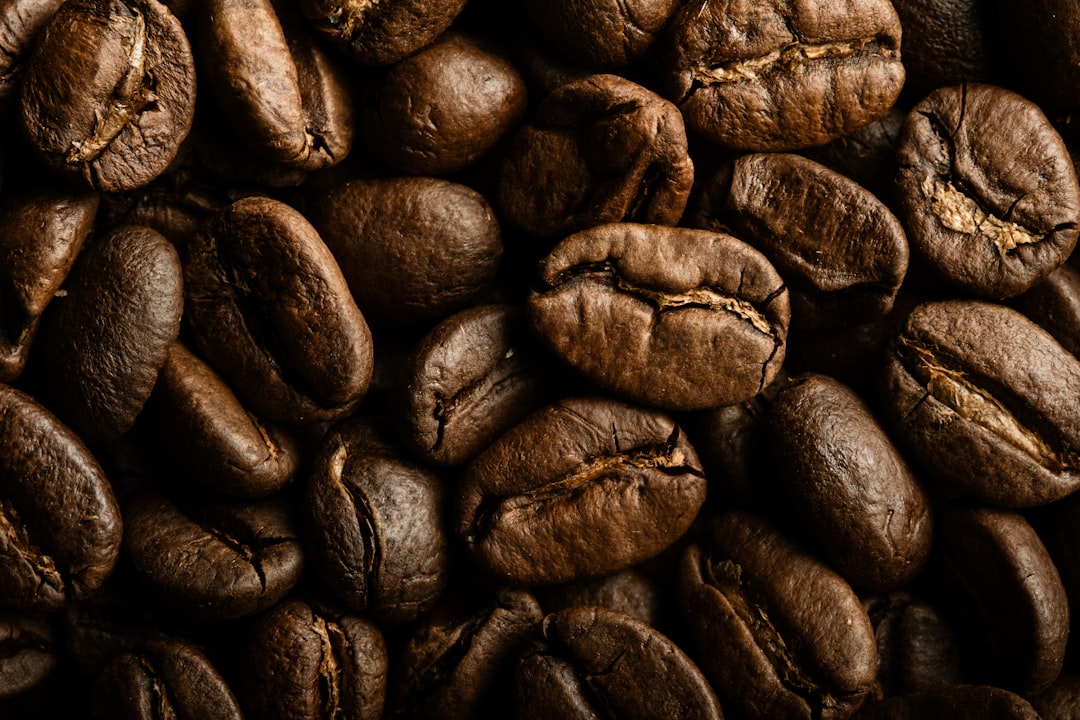
Photo by Niklas Håkonsen on Unsplash.