Robusta beans contain nearly twice the lipid content of Arabica, and that extra fat is the single biggest factor in how crema forms and how body tastes in your cup. Most home baristas chase a specific roast level or origin, assuming those variables control the final texture. The reality is that the bean’s inherent chemistry determines whether your espresso will have the syrupy mouthfeel you are looking for, regardless of how dark you pull the lever. Understanding this chemical baseline changes how you select, grind, and dial in your shots.
When you buy a bag labeled “espresso,” you are usually buying a blend designed to mask the harsher notes of the base bean. That base is almost always Coffea canephora, known commercially as Robusta. Specialty coffee marketing has spent decades pushing Robusta into the background, relegating it to instant coffee and cheap commercial blends. But if you look at the actual chemistry of what happens during extraction, Robusta’s high fat and chlorogenic acid content creates a structural advantage for espresso that Arabica simply cannot match. The trick is not avoiding Robusta, but understanding how to extract it without pulling the bitter compounds that usually ruin the shot.
The Specialty Coffee Association defines quality based on the absence of defects, and Robusta naturally carries more of the defects that disqualify Arabica from the specialty tier. This has created a blind spot in home brewing. When you pull a shot with 100% Arabica, you are chasing acidity and fruit notes. When you pull a shot with 20-30% Robusta, you are chasing body, sweetness, and a thick, persistent crema. The difference is not in the machine; it is in the bean’s cellular structure.
The Lipid Difference: Arabica vs. Robusta
Arabica beans contain roughly 15-17% oil by dry weight. Robusta beans contain 28-30%. This is not a minor variation; it is a fundamental structural difference that dictates how those oils migrate to the surface during the high-pressure extraction of espresso. When water at 93°C passes through a compacted puck of coffee, it dissolves soluble solids and suspends those lipids. In Arabica, the lower lipid count means less emulsion. The crema forms, but it dissipates faster, leaving a thinner mouthfeel on the palate.
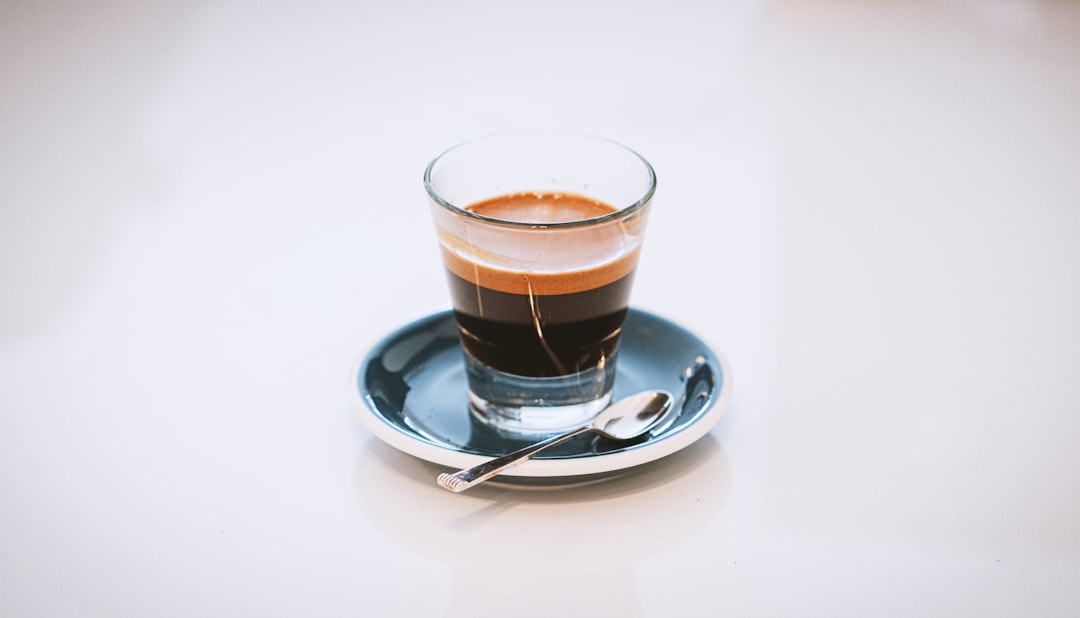
Robusta’s higher lipid content creates a denser, more stable emulsion. This is why a well-extracted Robusta-dominant espresso feels heavier, almost like a light syrup, compared to the tea-like body of a light-roast Arabica. The fat molecules trap carbon dioxide more effectively, creating the thick, tiger-striped crema that defines a quality shot. If you have been pulling shots that look perfect but taste thin, you are likely using 100% Arabica and chasing a texture that the bean’s chemistry does not support. Switching to a blend with 15-30% Robusta often solves the body problem instantly, provided you adjust your grind and yield.
This chemical reality explains why traditional Italian espresso blends have always included Robusta. It was never an accident of cost-cutting; it was a deliberate engineering choice to create a specific mouthfeel. Modern specialty roasters have largely abandoned this approach, favoring the bright, complex acidity of single-origin Arabica. But for home barists who prioritize a rich, lingering body over floral notes, Robusta remains the most effective tool available.
Chlorogenic Acids and Bitterness Management
The second major chemical difference between these two species is chlorogenic acid (CGA) content. Robusta contains nearly twice the CGAs of Arabica. CGAs break down during roasting into quinic and caffeic acids. Quinic acid is responsible for the harsh, sour-bitter edge that many home baristas fear when they first encounter Robusta. If you pull a shot with too much quinic acid, it tastes astringent, like over-steeped black tea or burnt rubber.
However, this high CGA content also means Robusta has a higher tolerance for extraction. Because the bean is denser and packed with these bittering compounds, it requires more aggressive extraction parameters to reach the same sweetness threshold as Arabica. A light-roast Arabica will start tasting sour and thin if you under-extract it by even a few seconds. A medium-roast Robusta blend can absorb that same over-extraction and still deliver sweetness, because the high lipid content masks the bitter quinic acids. This makes Robusta blends much more forgiving for home machines that lack precise temperature control or flow regulation.
The key to managing this bitterness is not to avoid Robusta, but to roast it correctly. Robusta must be roasted to at least a medium-dark level to break down enough of the CGAs to reveal the underlying chocolate and nut notes. A light roast on Robusta is almost always unpleasant, pulling harsh phenols that no amount of dialing in can fix. Look for blends labeled “medium-dark” or “espresso roast” that explicitly include Robusta. These beans have been processed to minimize the bitter edge while maximizing the crema-producing lipids.
How to Dial In a Robusta Blend
Dialing in a Robusta-dominant or Robusta-blended espresso requires a different protocol than dialing in a single-origin Arabica. Because Robusta is denser and more resistant to extraction, you will often need a slightly finer grind setting and a slightly higher yield to pull the full spectrum of flavors. A standard 18g dose might need to yield 36-40g of liquid espresso, rather than the 30-36g you might use for a delicate Arabica.
Start with a standard dose, but extend your yield. If your shot pulls too fast and tastes sour, do not just grind finer. First, increase your yield by 2-3 grams. If the shot still tastes thin or astringent, then adjust your grind size down by one or two clicks. This approach ensures you are extracting the full body and sweetness from the Robusta without pulling the harsh bitter compounds that live in the later stages of extraction.
Water temperature also plays a critical role. Robusta handles higher temperatures better than Arabica. While you might brew a delicate Ethiopian Arabica at 90°C to preserve floral notes, a Robusta blend often tastes better at 93-96°C. The higher heat helps dissolve the heavier lipids and sugars, creating a richer, more complex cup. If your machine allows temperature adjustment, experiment with higher ranges when pulling Robusta shots. You will likely find that the harsh edge disappears, replaced by a deep, chocolatey sweetness.
Why Most Espresso Blends Get This Wrong
Many modern “specialty” espresso blends try to hide Robusta by roasting it extremely dark, turning the beans to charcoal. This is a mistake. Over-roasting Robusta burns off the very lipids and sugars that make it valuable for espresso, leaving behind only ash and bitterness. The result is a shot that looks thick but tastes hollow and one-dimensional.
The best Robusta blends use a precise roast profile that develops the sugars without carbonizing the bean. Look for roasters who explicitly state the percentage of Robusta in their blend. A 10-20% Robusta addition to an Arabica blend can significantly boost body and crema without overwhelming the cup with bitterness. A 50% or higher Robusta blend will deliver maximum syrupy texture and caffeine, but requires careful dialing in to avoid harshness.
When you are browsing for beans, ignore the “espresso” label on the front. Flip the bag over and read the breakdown. If it says 100% Arabica, you are buying an Arabica shot, not a traditional espresso. If it lists a percentage of Robusta, you are buying a blend engineered for body and crema. Choose the blend that matches your taste preference: more Arabica for brightness and complexity, more Robusta for weight and persistence.
The Caffeine Factor: More Than Just a Buzz
This is not just a stimulant difference; it affects the extraction dynamics of the shot. Caffeine is highly soluble in hot water, and the higher concentration in Robusta contributes to the overall solids content of the espresso. This adds to the perceived body and bitterness, reinforcing the structural density of the cup. If you are sensitive to caffeine, a Robusta-dominant shot will hit harder and faster than an Arabica shot of the same volume. This is another reason why Robusta blends are popular in traditional European coffee culture, where a small, strong shot is the norm.
For home barists, this higher caffeine content is a feature, not a bug. It allows you to pull a smaller, more concentrated shot that still delivers a satisfying kick. If you prefer a 1oz double shot over a 2oz long black, a Robusta blend will give you the intensity and body that a larger Arabica shot struggles to match. The combination of high lipids, high caffeine, and high chlorogenic acids creates a unique extraction profile that is impossible to replicate with Arabica alone.
Practical Steps to Upgrade Your Espresso
If you want to test this theory, buy a bag of espresso blend that explicitly lists Robusta as a component. Look for one with 15-30% Robusta. Pull your standard shot, but extend your yield by 3-4 grams. Adjust your grind finer if the shot pulls too fast. Raise your water temperature by 2-3°C if the shot tastes thin. Taste the result. You should notice a significant increase in body, a thicker crema, and a deeper, chocolatey sweetness. If it tastes bitter, pull back the yield or coarsen your grind slightly. This is the new baseline for your machine.
Once you have dialed in a Robusta blend, you will likely find that your previous Arabica-only shots taste thin and hollow by comparison. This is not a failure of Arabica; it is a difference in chemical structure. Arabica is designed for clarity and acidity. Robusta is designed for body and crema. Neither is inherently better; they are tools for different outcomes. By understanding the fat content and chlorogenic acid levels of your beans, you can choose the right tool for the cup you want to make.
The next time you stand in front of your coffee shelf, ignore the marketing. Read the blend. Look for the Robusta. Dial it in with a higher yield and a slightly hotter brew. You will find that the best beans for espresso are not always the ones with the highest scores on a cupping sheet. Sometimes, the best beans for espresso are the ones that give you the body, crema, and sweetness you actually want in your cup.
Sources & Further Reading
- Robusta: The Forgotten Coffee Species — Specialty Coffee Association
- Composition of Coffee: Lipids — ScienceDirect / Elsevier
- Coffee Chemistry: The Role of Chlorogenic Acids — ScienceDirect / Elsevier
Photo by Adi Goldstein on Unsplash.