
It Starts With a Jar of Crushed Tomatoes
You are sitting at your kitchen counter, a 1:16 ratio of water to coffee in your V60, and you take a sip of a Kenyan AA. The flavor profile on the bag says blackcurrant, lemon, and grapefruit. But your palate is picking up something else entirely. It is unmistakable. It is the sharp, bright, acidic tang of a crushed vine-ripened tomato.
Most home brewers panic. They assume the bean is under-ripe, or that the roaster under-roasted it to the point of vegetal failure. They grind finer, they increase the water temperature, and they pull a sour, astringent cup that tastes like green beans and regret. They are trying to extract sweetness from a bean that is genetically engineered to scream acidity.
The tomato note is not a defect. It is the signature of a specific genetic lineage that dominates Kenyan high-altitude plantations. It is the result of the SL28 varietal, a coffee plant that survived the collapse of the Kenyan coffee industry in the 1970s and 1980s when a fungal blight wiped out 90% of the country’s crop. SL28 is not a marketing term. It is a genetic code that dictates how the bean metabolizes sugars and acids during the drying phase of processing.
To brew SL28 correctly, you have to stop treating it like a standard Ethiopian or Colombian bean. You have to understand that the tomato note is a structural feature of the bean, not a flaw in the roast. If you pull for sweetness on SL28, you pull for bitterness. If you pull for clarity, you pull for a complex, savory acidity that will make your mouth water. The challenge is not fixing the bean. The challenge is learning how to extract it without breaking the cup.
What Is SL28, and Why Does It Survive?
To understand the flavor, you have to look at the genetics. SL28 stands for ‘Selection 28’. It was isolated by the Kenyan Coffee Research Institute in the 1930s from a single tree in the Njoro region. At the time, the industry was dominated by the Typica varietal, a beautiful but incredibly fragile plant that required perfect shade, perfect soil, and perfect weather. Typica produced exquisite cups, but it was useless to a farmer facing a plague.
In the 1970s, coffee leaf rust swept through Kenya. It was a devastating agricultural catastrophe. Typica, Bourbon, and most other established varietals were wiped out. The country’s coffee economy collapsed. The only plants that showed any resistance to the rust were the wilder, hardier, less refined selections that the research institute had been breeding in the background. SL28 was one of them. It was bred specifically for resistance to coffee leaf rust, not for flavor.
But SL28 had a secret. It was incredibly productive, and it produced cups that were structurally complex in a way Typica never could. It had a higher sugar density, a thicker cherry, and a distinct chemical profile that translated into a cup with massive body and an aggressive, sparkling acidity. When the industry rebuilt, SL28 was the foundation. It is still the dominant varietal in Kenya today, grown at altitudes between 1,400 and 2,100 meters above sea level.
This genetic history matters because it explains the bean’s physical structure. SL28 cherries are dense, heavy, and slow to mature. They sit on the branch longer than Typica, absorbing more sugars and developing a more complex acid profile. When you roast SL28, you are roasting a bean that is physically denser and chemically more volatile than a standard Central American bean. The tomato note comes from the interaction of these acids with the roasting process.
The Chemistry of the ‘Tomato’ Note
The tomato note in coffee is not a flavor additive. It is a specific chemical compound: pyrazine. More specifically, it is the result of the interaction between chlorogenic acids and specific pyrazine derivatives that form during the Maillard reaction. In a standard coffee, these compounds are roasted out or balanced by sucrose breakdown. In SL28, they remain prominent.
When you roast SL28, the bean undergoes a rapid expansion phase during first crack. Because the bean is so dense, the internal pressure builds differently than it does in a less dense bean. The sugars break down into caramel compounds, but the acids break down into volatile pyrazines. If you pull the roast too light, you get the raw, vegetal, green-pea flavor that people mistake for under-ripeness. If you pull it too dark, you burn the acids into a harsh, ashy bitterness.
The sweet spot for SL28 is a narrow window. It requires a roast that is light enough to preserve the bright, sparkling acidity, but dark enough to break down the raw pyrazines into the savory, tomato-leaf compounds that define the flavor. This is why SL28 is so difficult to roast. It demands a precise thermal profile that balances sugar development against acid preservation. If you rush the drying phase, you trap the green flavors. If you rush the development phase, you lose the acidity.
This is why the tomato note is not a defect. It is the result of a bean that is chemically volatile and structurally dense. It is the result of a plant that was bred to survive a plague, not to make a pretty cup. And it is the result of a roast that has to walk a tightrope between raw and burnt.
How to Brew SL28 Without Breaking the Cup
Most home brewers fail with SL28 because they treat it like a standard light roast. They use a fine grind, a high water temperature, and a slow, controlled pour. They get a cup that is sour, thin, and astringent. They blame the bean. They blame the roaster. They blame the water. The problem is the extraction protocol.
SL28 requires a coarser grind, a lower water temperature, and a faster, more aggressive pour. Here is the exact protocol that works.
Start with a 1:15 brew ratio. A 1:16 ratio dilutes the body too much, leaving you with a thin, acidic cup that highlights the tomato note without balancing it. A 1:15 ratio pulls more solids, creating a syrupy body that supports the acidity. Use a medium-coarse grind, roughly 15 clicks on a standard 40mm conical burr grinder. This is coarser than you would use for a standard light roast. It slows down the extraction, giving the water more time to pull the complex acids without pulling the harsh, astringent compounds.
Use water at 92°C (197°F). Do not use boiling water. SL28 is highly soluble, and boiling water will over-extract the bitter compounds before the acids have a chance to dissolve. 92°C is the sweet spot. It pulls the bright, sparkling acidity without pulling the harsh, ashy bitterness.
Pour fast. Use a single, continuous pour that saturates the grounds in 30 seconds, then let the drawdown happen. Do not use a slow, controlled spiral pour. SL28 does not need agitation. It needs speed. A fast pour creates a uniform extraction bed, preventing channeling and ensuring that the complex acids are pulled evenly. Let the drawdown finish in 2:30 to 3:00 minutes. If it takes longer, your grind is too fine. If it takes less, your grind is too coarse.
This protocol pulls a cup that is bright, complex, and savory. It highlights the tomato note without letting it dominate. It balances the acidity with a syrupy body that supports the flavor. It is the only way to extract SL28 without breaking the cup.
Why This Matters for Your Home Setup
SL28 is not just a bean. It is a lesson in how genetics dictate flavor. It is a lesson in how roasting is a chemical stress test that determines whether your coffee tastes like a fruit or like cardboard. And it is a lesson in how home brewers can learn to extract complex flavors without breaking the cup.
If you brew SL28 correctly, you will pull a cup that is unlike anything else on the market. It will be bright, complex, and savory. It will taste like blackcurrant, lemon, and crushed tomatoes. It will taste like a bean that was bred to survive a plague, not to make a pretty cup.
And it will taste like the future of coffee. Because SL28 is the only varietal that can survive the changing climate, the shifting weather patterns, and the increasing pressure on global supply chains. It is the only varietal that can produce a cup that is complex, bright, and savory, without requiring perfect conditions. It is the only varietal that can survive.
So the next time you pull a cup of SL28, do not panic when you taste the tomato note. Do not grind finer. Do not increase the water temperature. Pull for clarity. Pull for the complex, savory acidity that defines the bean. And let the tomato note do what it was bred to do: survive.
Where to Find and How to Source SL28
Finding SL28 is not as simple as looking for ‘Kenyan AA’ on a shelf. The ‘AA’ designation is a screen size, not a varietal. Most Kenyan AA is SL28, but not all of it. Some roasters blend SL28 with other varietals, like SL34 or Ruiru 11, to reduce costs or increase yield. If you want the full SL28 experience, you need to look for single-varietal listings. Look for roasters who explicitly state ‘SL28’ on the bag. Look for roasters who source from high-altitude regions, like Nyeri, Kirinyaga, or Kiambu. These regions produce the densest, most complex beans. Look for roasters who roast light, but not green. A light roast that pulls for clarity, not sweetness. A roast that respects the bean’s genetic history. If you cannot find a single-varietal SL28, look for Kenyan AA from reputable roasters who source directly from cooperatives. These beans are usually 100% SL28, and they are roasted to highlight the complex acidity. They are the closest you will get to the real thing. SL28 is not a trend. It is not a marketing gimmick. It is a genetic lineage that survived a plague, and it is the only varietal that can survive the future. Brew it correctly, and you will pull a cup that is unlike anything else on the market. Brew it incorrectly, and you will pull a cup that is sour, thin, and astringent. But the tomato note is not a defect. It is the signature of a bean that was bred to survive. And it is the signature of a bean that is worth brewing correctly.
Sources & Further Reading
- Kenya Coffee: A Pictorial Guide to the Varieties and Processing Methods — World Coffee Research
- The Coffee Book: A Compendium of the Science and Practice of Coffee — World Coffee Research
- Varieties of Arabica Coffee — World Coffee Research
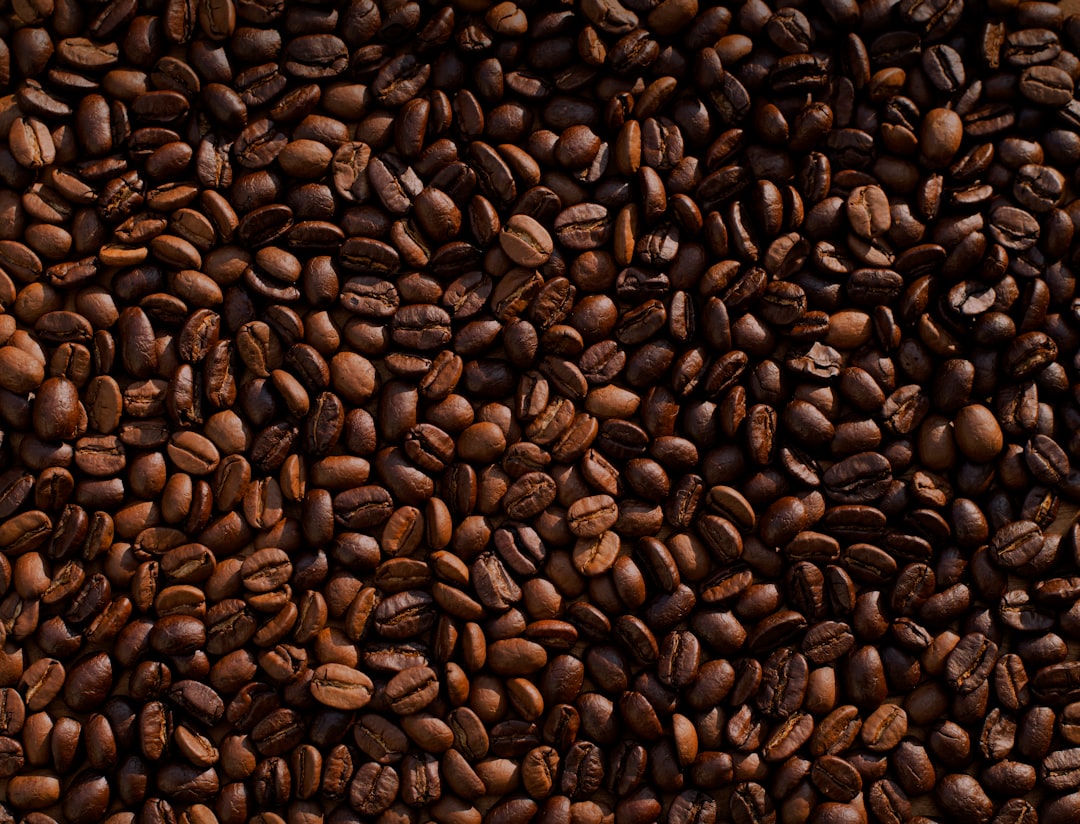
Photo by Mike Kenneally on Unsplash.