You open a bag labeled ‘Ethiopian Yirgacheffe’ and expect blueberry jam. Instead, you get a cup that tastes like sharp lemon juice and green apple. You open another bag labeled ‘Colombian Huila’ expecting chocolate, and instead, you get dried fruit and a faint, papery bitterness. You swap the beans, change your grind, adjust your water temperature, and the flavor profile barely shifts. The problem is not your brewing technique. The problem is that you are treating the country name on the bag as a flavor guarantee, when it is actually a broad geographic coordinate that tells you almost nothing about what is inside the cup.
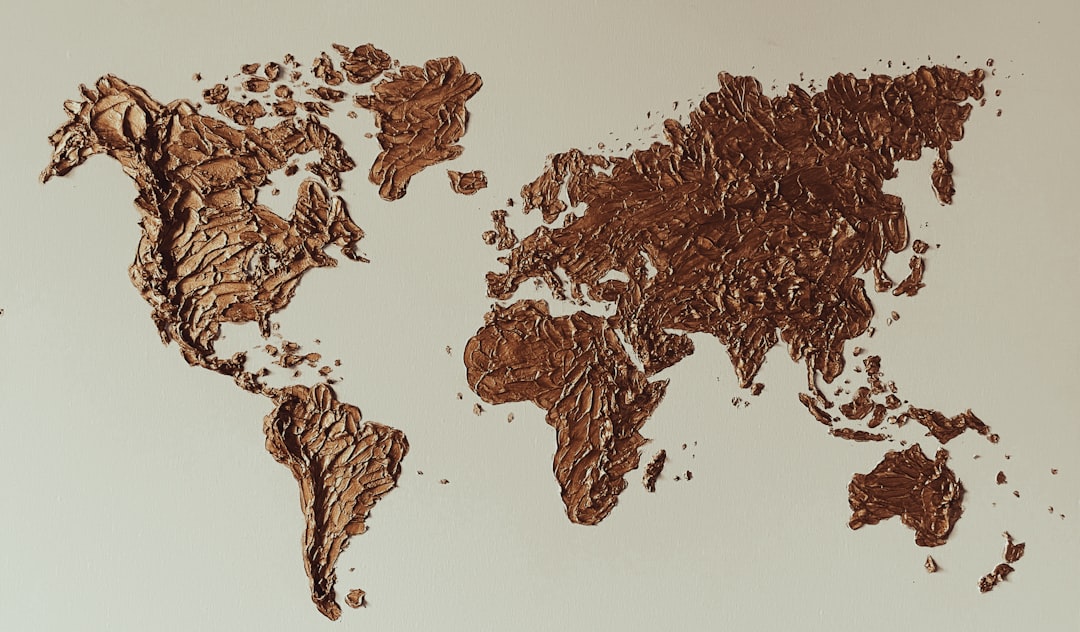
Coffee bean origin is not a marketing label. It is a flavor map that defines the chemical baseline of the bean before a single gram of water touches it. The country or region printed on the bag is the single most important variable you can use to predict how a coffee will behave in your grinder and your brewer. Understanding this map is the difference between buying coffee randomly and building a portfolio of beans that consistently deliver the flavor profile you actually want.
The reason this matters is simple: every coffee-growing region on Earth has a distinct chemical fingerprint driven by altitude, soil composition, and processing methods. When you understand the map, you stop guessing. You start selecting. This article breaks down the four primary flavor profiles associated with the world’s major coffee-growing regions, giving you a practical framework to match your taste preferences to the right origin.
Why Origin Dictates Flavor Before You Brew
Coffee is a plant. Like any plant, its flavor is dictated by where it grows. The term ‘terroir’ is often misused in coffee marketing, but the basic principle holds true: soil, altitude, rainfall, and temperature shape the chemical composition of the coffee cherry long before it is harvested. A bean grown at 2,000 meters in Ethiopia will develop sugars and acids differently than a bean grown at 500 meters in Brazil, even if they are the same varietal.
High-altitude beans grow slower. This slow maturation allows the seed to develop a denser structure and higher concentrations of complex organic acids and sugars. When roasted, these beans tend to produce bright, fruity, and floral notes. Low-altitude beans mature faster, developing simpler sugars and lower acid content, which translates to nutty, chocolatey, and earthy flavors in the cup. This is not a rule of marketing; it is a rule of botany.
Understanding this baseline allows you to predict how a coffee will behave during extraction. High-acid, high-altitude beans require a different approach than low-acid, low-altitude beans. If you treat a Kenyan AA the same way you treat a Brazilian Santos, you will either under-extract the acidity or over-extract the bitterness. Origin tells you where to start.
African Origins: The Acid and Fruit Profile
Coffee grown in Africa, particularly in Ethiopia, Kenya, and Rwanda, is defined by its high acidity and complex fruit notes. This is the region most home brewers encounter when they first explore specialty coffee. African beans are typically grown at high altitudes, often above 1,800 meters, which concentrates their natural acids and sugars.
Ethiopian beans, especially those from the Yirgacheffe and Guji regions, are famous for their floral and stone-fruit notes. You will frequently see tasting notes like jasmine, bergamot, blueberry, and peach on the bag. These are not arbitrary marketing terms. They are the direct result of the specific soil composition and high-altitude growing conditions in the Ethiopian highlands. If you enjoy bright, tea-like, and fruity coffees, Ethiopian beans are your starting point.
Kenyan beans, often labeled as ‘AA’ or ‘AB’ based on screen size, are known for their intense, wine-like acidity and blackcurrant notes. The unique processing method used in Kenya, which involves a double-fermentation step, amplifies this acidity and creates a complex, almost savory flavor profile. If you like bold, structured, and acidic coffees, Kenyan beans are the best match. Rwandan beans, while less famous, offer a similar profile with notes of red fruit and citrus, often at a more accessible price point.
The key takeaway for African origins is to expect acidity. If you prefer a smooth, low-acid cup, African beans will likely taste sour or sharp to you. This is not a flaw in the bean. It is the defining characteristic of the region. Embrace the acidity, and you will find a world of complex, fruity flavors.
South American Origins: The Balanced and Nutty Profile
Coffee grown in South America, primarily in Colombia, Brazil, and Peru, is defined by its balance, nutty notes, and lower acidity. This is the region most home brewers are familiar with, as it supplies the majority of the world’s specialty coffee. South American beans are typically grown at medium altitudes, ranging from 1,000 to 1,800 meters, which produces a more balanced chemical profile.
Colombian beans, especially those from the Huila and Antioquia regions, are famous for their caramel sweetness, nutty undertones, and medium acidity. These beans are often washed, which means the fruit is removed from the seed before drying, resulting in a cleaner, more consistent flavor profile. If you enjoy a smooth, balanced cup with notes of chocolate, nuts, and caramel, Colombian beans are your go-to choice.
Brazilian beans, grown at lower altitudes, are known for their low acidity, nutty flavors, and chocolatey undertones. These beans are often used as a base in espresso blends because they provide body and sweetness without the sharp acidity of African beans. If you prefer a mellow, smooth cup with notes of peanut, almond, or milk chocolate, Brazilian beans are the best match.
The key takeaway for South American origins is balance. These beans are versatile and pair well with a wide range of brewing methods. If you are new to specialty coffee, start with a Colombian or Brazilian bean to build your baseline understanding of what a ‘balanced’ cup tastes like.
Asian and Pacific Origins: The Earthy and Spicy Profile
Coffee grown in Asia and the Pacific, primarily in Sumatra, Vietnam, and Papua New Guinea, is defined by its earthy, spicy, and full-bodied flavor profile. This region is unique in the coffee world because of its distinct processing methods, particularly the wet-hulling process used in Sumatra.
Sumatran beans, especially those from the Mandheling and Lintong regions, are famous for their low acidity, full body, and earthy, spicy notes. The wet-hulling process, known as ‘giling basah,’ involves removing the parchment from the bean while it is still wet, which leads to a higher moisture content and a distinct flavor profile. If you enjoy bold, full-bodied, and earthy coffees with notes of cedar, tobacco, and dark chocolate, Sumatran beans are your best choice.
Vietnamese beans, primarily Robusta, are known for their high caffeine content, strong body, and bitter, earthy notes. While often used in instant coffee and mass-market blends, high-quality Vietnamese Arabica beans can offer a unique, spicy flavor profile with notes of dark chocolate and dried fruit. If you enjoy strong, bold, and earthy coffees, Vietnamese beans are worth exploring.
The key takeaway for Asian and Pacific origins is body and earthiness. These beans are less about acidity and fruit, and more about texture and depth. If you prefer a heavy, syrupy cup with notes of spice and earth, these are the beans to seek out.
Central American Origins: The Bright and Clean Profile
Coffee grown in Central America, primarily in Guatemala, Costa Rica, and Honduras, is defined by its bright acidity, clean finish, and balanced flavor profile. This region sits between the high-acid African beans and the low-acid South American beans, offering a unique middle ground.
Guatemalan beans, especially those from the Antigua and Huehuetenango regions, are famous for their bright acidity, chocolatey notes, and spicy undertones. These beans are often washed, which results in a clean, crisp flavor profile. If you enjoy a balanced cup with notes of chocolate, spice, and citrus, Guatemalan beans are an excellent choice.
Costa Rican beans, particularly those from the Tarrazú region, are known for their bright acidity, clean finish, and fruity notes. These beans are often honey-processed, which leaves some of the fruit mucilage on the bean during drying, resulting in a sweeter, more complex flavor profile. If you enjoy a bright, clean, and slightly sweet cup, Costa Rican beans are worth trying.
The key takeaway for Central American origins is brightness and cleanliness. These beans offer a perfect balance of acidity and sweetness, making them versatile for a wide range of brewing methods. If you want a coffee that is both bright and smooth, start with a Guatemalan or Costa Rican bean.
How to Use the Origin Map to Choose Your Beans
Now that you understand the four primary flavor profiles, how do you use this knowledge to choose your beans? The answer lies in matching your taste preferences to the right region. Here is a simple framework to guide your next purchase:
- If you like fruity, floral, and acidic coffees: Choose African origins, specifically Ethiopian or Kenyan beans. Look for tasting notes like blueberry, jasmine, or blackcurrant.
- If you like balanced, nutty, and chocolatey coffees: Choose South American origins, specifically Colombian or Brazilian beans. Look for tasting notes like caramel, almond, or milk chocolate.
- If you like earthy, spicy, and full-bodied coffees: Choose Asian and Pacific origins, specifically Sumatran or Vietnamese beans. Look for tasting notes like cedar, tobacco, or dark chocolate.
- If you like bright, clean, and slightly sweet coffees: Choose Central American origins, specifically Guatemalan or Costa Rican beans. Look for tasting notes like citrus, spice, or honey.
This framework is not a rigid rule. It is a starting point. Once you have a baseline understanding of how origin affects flavor, you can experiment with different processing methods, roast levels, and brewing techniques to fine-tune your cup. But without this foundational knowledge, you are just guessing.
Coffee bean origin is not a label. It is a flavor map. Use it to navigate the vast world of specialty coffee, and you will never have to buy a bag of coffee that tastes wrong again.
Sources & Further Reading
- The World Atlas of Coffee: From Field to Cup—Tasting, Preparing, and Appreciating 64 Varieties — University of California Press
- Coffee Chemistry: The Science of Brewing — Trends in Food Science & Technology
- Specialty Coffee Association of America Quality Manual — Specialty Coffee Association
Photo by Jametlene Reskp on Unsplash.