The Morning Shot That Looked Like Soap
It was 7:14 AM on a Tuesday when the portafilter spat back a shot that looked less like coffee and more like a cappuccino gone wrong. The crema wasn’t the tight, tiger-striped cap you chase for a proper cortado. It was a thick, yellowish foam with large, unstable bubbles that collapsed into a watery mess before the cup hit the saucer. The taste was even worse: astringent, hollow, and aggressively bitter, with no sweetness to anchor the finish. You checked the grind size. You checked the dose. You even checked the water temperature. Everything looked correct on paper, yet the result was a complete failure.
The problem was not your technique. It was the beans. Specifically, it was the invisible gas trapped inside them. When you pull a shot from beans that are only three days past roast, you are not just extracting coffee. You are extracting carbon dioxide, and that gas is actively sabotaging your extraction yield. This is the CO2 degassing timeline, and ignoring it is the single most common reason home baristas pull shots that are simultaneously foamy and bitter.
What CO2 Actually Does to Your Extraction
Every roasted coffee bean is a pressurized vessel. During the roasting process, the heat breaks down complex organic compounds, releasing massive amounts of carbon dioxide. This gas gets trapped inside the bean’s cellular structure, creating an internal pressure that can reach several atmospheres. When you grind those beans, you rupture those cells, releasing the gas instantly. This is why freshly roasted coffee puffs up in a bag, why it hisses when you pour hot water over it, and why your espresso machine struggles to pull a clean shot.
When water hits freshly ground coffee, the CO2 does not just escape. It actively interferes with the extraction process. The gas creates a physical barrier between the water and the coffee grounds, preventing proper wetting. This phenomenon is called channeling by gas. Instead of water flowing evenly through the puck, the gas pockets create micro-channels where water flows too fast, bypassing the coffee entirely. The result is under-extraction in those channels, pulling sour, thin acids, while the rest of the puck is over-extracted, pulling bitter, astringent compounds.
This is why your espresso tastes bitter and foamy. The foam is the CO2 escaping under pressure, creating large, unstable bubbles. The bitterness is the over-extracted compounds from the dry, bypassed sections of the puck. The two are directly linked. Until the CO2 has had time to degas, a clean extraction is physically impossible, no matter how perfectly you dial in your grinder.
The Degassing Timeline: When Beans Are Ready
Not all beans degas at the same rate. The timeline depends heavily on the roast level, the origin, and the processing method. Dark roasts degas faster because the extended heat exposure creates more porous, brittle structures that allow gas to escape more easily. Light roasts, with their denser cellular structures, hold onto CO2 much longer. A light roast Ethiopian Yirgacheffe might need 14 to 21 days to degas properly, while a dark roast Italian blend might be ready in 7 to 10 days.
Specialty Coffee Association (SCA) standards recommend a minimum resting period of 7 days post-roast for optimal extraction, but many experienced baristas push this to 14 days for light roasts and 10 days for medium-dark roasts. This is not a marketing gimmick. It is a chemical necessity. Pulling shots before this window closes guarantees the foamy, bitter result you are trying to avoid.
How do you know if your beans are ready? The simplest test is the bloom. When you pour hot water over fresh grounds, a vigorous bloom indicates active CO2 release. If your bloom is violent, bubbling over the edges of your filter or portafilter, your beans are not ready. If the bloom is subtle, with only a few small bubbles breaking the surface, your beans have likely degassed enough for a clean extraction.
How to Fix Foamy, Bitter Shots
If you are pulling shots from beans that are less than 7 days old, stop adjusting your grind size. Grinding finer to compensate for the foam will only make the channeling worse, trapping more gas and pulling even more bitter compounds. The fix is patience. Store your beans in an opaque, airtight container at room temperature, away from light and heat. Do not refrigerate or freeze them unless you are preparing them for long-term storage, as moisture and temperature fluctuations can interfere with the degassing process.
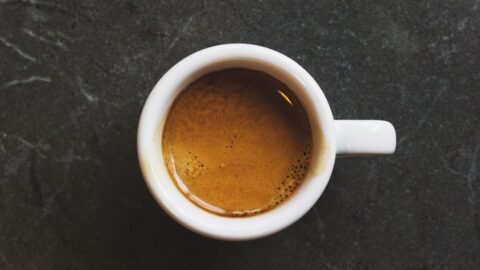
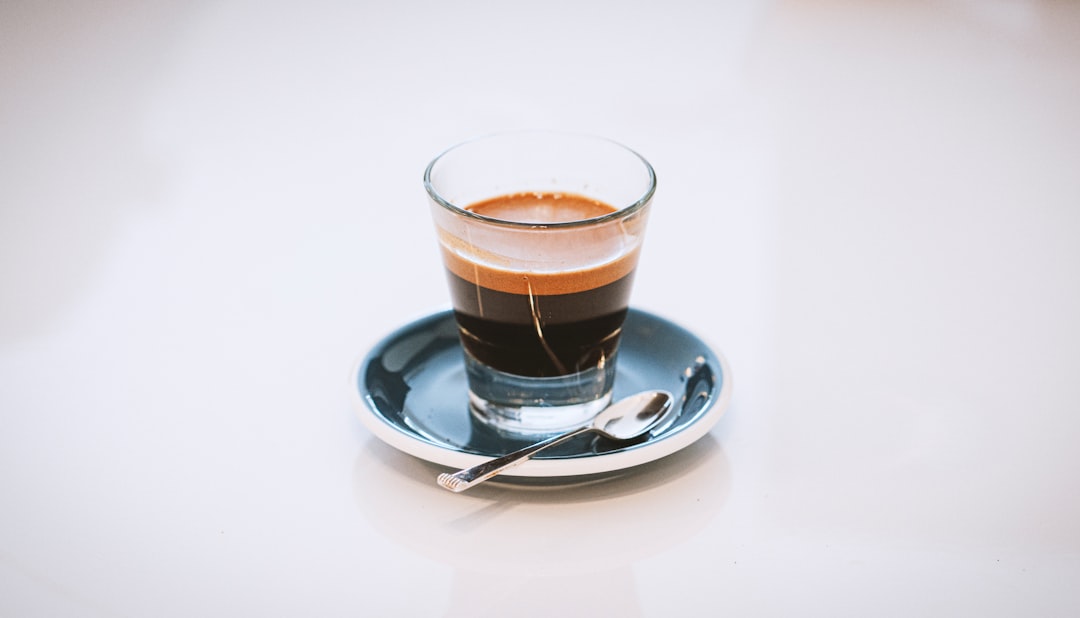
Once your beans have passed the recommended resting period, pull a test shot. You should see a tight, honey-colored crema with small, stable bubbles. The taste should be balanced, with clear sweetness and acidity, and no astringent bitterness. If the shot is still foamy, check your grind distribution. A poor grinder will create uneven particle sizes, exacerbating the channeling problem. A high-quality conical burr grinder, like the 1Zpresso J-Ultra or the Comandante C40, will create a more uniform particle distribution, allowing water to flow evenly through the puck and minimizing gas interference.
Finally, consider your brew ratio. A slightly higher brew ratio (1:2.5 instead of 1:2) can help dilute the bitter compounds that slip through during a difficult extraction. This is not a permanent fix, but a temporary buffer while your beans continue to degas. As the CO2 levels drop, you can return to your standard ratio and expect a cleaner, sweeter cup.
Why This Matters for Your Home Setup
Understanding the CO2 degassing timeline changes how you approach espresso. It shifts the focus from chasing perfect shots with stale beans to respecting the chemical reality of the coffee itself. Freshness is not just about flavor; it is about extraction physics. When you pull a shot from beans that are too fresh, you are fighting a losing battle against the gas inside them. The foam is a warning sign. The bitterness is the result. By respecting the degassing timeline, you can pull cleaner, sweeter shots consistently, without needing to buy expensive equipment or master complex techniques.
The next time your espresso looks like soap suds and tastes like bitter ash, do not reach for the grind adjustment dial. Check the roast date. If it is less than a week old, put the portafilter down and wait. Your coffee will thank you.
Sources & Further Reading
- Specialty Coffee Association (SCA) Home Brewing Guidelines — Specialty Coffee Association
- The Science of Coffee: Degassing and Extraction — World Coffee Research
- Freshness in Coffee: Understanding the Degassing Process — Barista Hustle
Photo by Adi Goldstein on Unsplash.