You drop the leaves into 212°F water and watch them unfurl, expecting a clean, bright cup. Instead, you get a mouthful of bitter astringency that coats the tongue like wet cardboard. The tea didn’t fail; your protocol did. You just brewed a delicate green tea with the same brutal heat you use for a heavy black rooibos, and the result is a chemical extraction gone wrong.
Brewing loose leaf tea is not a matter of throwing leaves in hot water and waiting. It is a precise control of three variables: water temperature, leaf-to-water ratio, and steep time. Get these wrong, and you extract tannins and caffeine faster than the delicate amino acids, creating a flat, harsh cup. Get them right, and you unlock the exact flavor profile the grower intended. Here is the exact protocol to stop ruining your tea.
The Water Temperature Rule
Most people assume all tea requires boiling water. This is the single biggest mistake in home brewing. Tea leaves are unfermented (green), semi-fermented (oolong), or fully fermented (black). The fermentation level dictates how much heat the leaf can withstand before its delicate compounds break down into bitterness.
Green teas, like Sencha or Dragon Well, are steamed or pan-fired shortly after picking. They contain high levels of L-theanine, the amino acid responsible for the savory, umami notes in a great cup. Boiling water destroys L-theanine and violently extracts catechins, the compounds that cause astringency. For green tea, the target water temperature is 160°F to 175°F (71°C to 80°C). If you do not have a temperature-controlled kettle, bring the water to a rolling boil, then let it sit off the heat for three to four minutes. This is not a suggestion; it is a thermodynamic necessity to protect the delicate compounds.
Oolong teas occupy the middle ground. Because they are partially oxidized, they can handle slightly higher temperatures, typically 185°F to 195°F (85°C to 90°C). This heat is required to fully open the tightly rolled oolong leaves, allowing the complex floral and fruity notes to unfold over multiple short infusions. If you brew oolong with green tea temperatures, the leaves will remain tightly rolled, and you will waste 60% of the flavor profile.
Black teas, Darjeeling, Assam, and Earl Grey, are fully oxidized. The oxidation process has already broken down the delicate compounds, leaving behind robust polyphenols and theobromine. These leaves require near-boiling water, 200°F to 212°F (93°C to 100°C), to extract the full body and malty or floral notes. Brewing black tea with cooler water results in a thin, grassy cup that lacks the characteristic depth of a properly brewed black tea.
White teas are the most delicate of all. They are simply unfermented leaves that have been allowed to dry naturally. They require the lowest temperatures, 175°F to 185°F (80°C to 85°C). Boiling water will cook the fragile white hairs on the leaves, turning a sweet, floral cup into a flat, vegetal broth.
The Leaf-to-Water Ratio
The second variable is the amount of tea you use. Most people under-dose their tea, resulting in a watery, flavorless cup. The Specialty Tea Institute and the Specialty Coffee Association (SCA) use a standard baseline for loose leaf brewing: two grams of leaf per six ounces of water. This is not a suggestion; it is the extraction baseline.
For home brewing, this translates to one teaspoon of loose leaf per 8-ounce cup. However, this is a rough estimate. Loose leaf tea varies wildly in density. A tightly rolled oolong ball weighs much less than a pound of fluffy white tea. The most accurate method is to use a scale. Two grams per six ounces of water ensures you are extracting the correct concentration of soluble solids. If you are using a teapot, multiply the grams by the number of cups you intend to brew.
Under-dosing is a silent killer of flavor. When you use too little leaf, the water becomes saturated with soluble solids too quickly, leading to over-extraction of the remaining compounds. This is why your tea tastes bitter even when you use a short steep time. You are not brewing longer; you are brewing too concentrated. Increasing the leaf dosage allows you to use a longer steep time without hitting the bitterness threshold, resulting in a smoother, sweeter cup.
The Steep Time Protocol
Steep time is the third variable, and it is the most frequently ignored. Most people set a timer for three minutes for every type of tea. This is a mistake. Steep time must be adjusted based on the tea type and the leaf size.
Green tea requires the shortest steep time, typically one to two minutes. Because the leaves are delicate and the water temperature is lower, the extraction happens quickly. Over-steeping green tea, even by thirty seconds, introduces a significant amount of tannins, making the cup unpleasantly astringent. If you prefer a stronger cup, increase the leaf dosage, not the steep time.
Oolong teas require a slightly longer steep time, typically two to three minutes for the first infusion. Because the leaves are often tightly rolled, they need time to unfurl and release their complex flavors. Subsequent infusions can be steeped for shorter periods, allowing you to extract multiple cups from the same leaves. This is a key advantage of loose leaf oolong: the flavor profile changes with each infusion, revealing new layers of complexity.
Black teas require the longest steep time, typically three to five minutes. Because the water temperature is near boiling and the leaves are fully oxidized, the extraction process is slower. Under-steeping black tea results in a flat, grassy cup. Over-steeping it, however, introduces excessive bitterness. The three-to-five-minute window is the sweet spot for extracting the full body and character of the tea.
White teas require a steep time similar to green tea, typically two to three minutes. Because the leaves are large and delicate, they release their flavor slowly. If you are using a teapot, you can often reuse the leaves for a second or third infusion, adjusting the steep time slightly longer for each subsequent brew.
When Loose Leaf Brewing Fails
This protocol works for high-quality, whole-leaf loose leaf tea. It does not work for tea bags. Tea bags contain broken leaves, dust, and fannings, which have a much larger surface area exposed to water. This means they extract much faster and release bitter compounds more quickly. If you are using tea bags, you must reduce the steep time by half, or you will end up with a bitter, astringent cup.
Additionally, this protocol assumes you are using filtered water. Hard water, rich in calcium and magnesium, can interfere with the extraction of flavor compounds, resulting in a flat, dull cup. If your tap water is hard, use filtered or bottled water for brewing. The water quality is just as important as the leaf quality.
How to Execute the Protocol
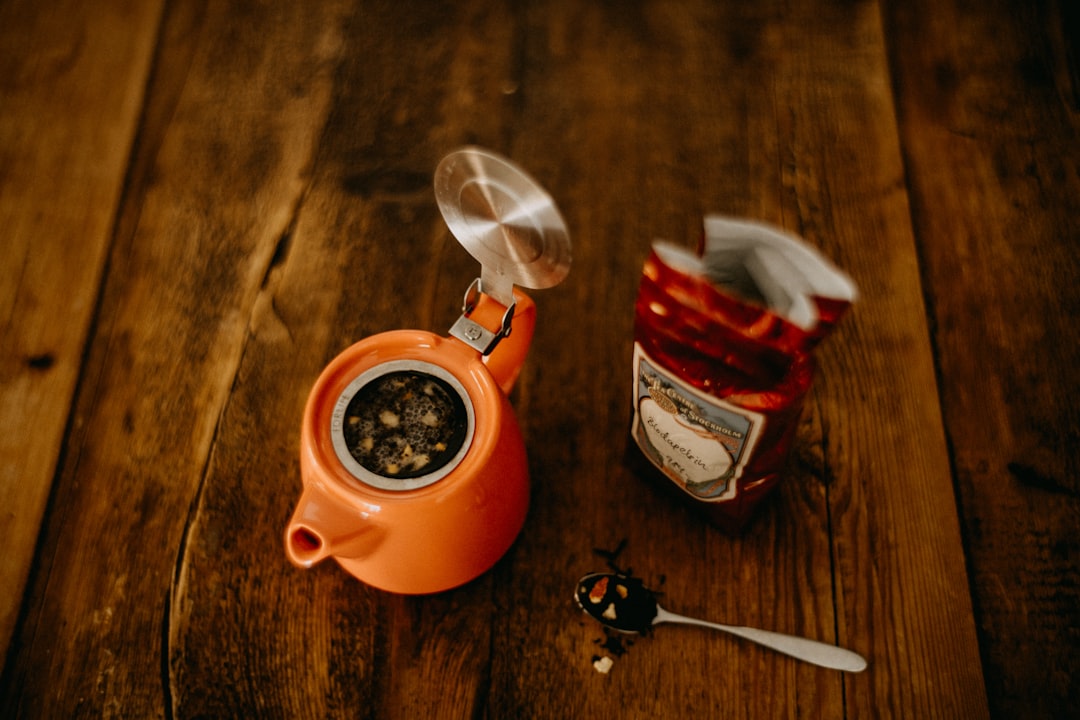
Start by heating your water to the correct temperature for your tea type. If you do not have a temperature-controlled kettle, use the boiling-and-cooling method described above. Measure out two grams of loose leaf tea per six ounces of water. Place the leaves in a teapot or an infuser basket. Pour the hot water over the leaves, ensuring they are fully submerged. Set your timer for the appropriate steep time. Remove the leaves when the timer goes off. Do not squeeze the leaves, as this releases concentrated tannins that make the tea bitter.
Follow this protocol consistently, and you will notice an immediate improvement in the quality of your tea. The bitterness will decrease, the sweetness will increase, and the overall flavor profile will be much more complex and satisfying. Brewing loose leaf tea is not a mystery. It is a science. Master these three variables, and you will never waste a leaf again.
FAQ
Can I reuse loose leaf tea? Yes, most loose leaf teas can be steeped two to three times. Simply increase the steep time by 30 seconds for each subsequent infusion. Oolong and white teas are particularly well-suited for multiple infusions.
What is the best water temperature for green tea? The best water temperature for green tea is 160°F to 175°F (71°C to 80°C). Boiling water will destroy the delicate compounds and result in a bitter, astringent cup.
How much loose leaf tea should I use? Use two grams of loose leaf tea per six ounces of water. This is the standard baseline for optimal extraction. If you do not have a scale, use one teaspoon of loose leaf per 8-ounce cup.
Why is my tea bitter? Your tea is likely bitter because you are using water that is too hot, using too much leaf, or steeping for too long. Adjust one of these variables to reduce the bitterness.
Sources & Further Reading
- SCA Cupping Protocol: Standard Operating Procedure — Specialty Coffee Association
- The Specialty Tea Institute Brewing Guidelines — Specialty Tea Institute
- Water Quality for Tea Brewing: The Impact of Mineral Content — ResearchGate / Journal of Food Science
Photo by Annie Spratt on Unsplash.